Whole Community Plans: Including Vulnerable Groups in Disaster Preparedness
Mark
February 6, 2026
Whole Community Plans: Including Vulnerable Groups
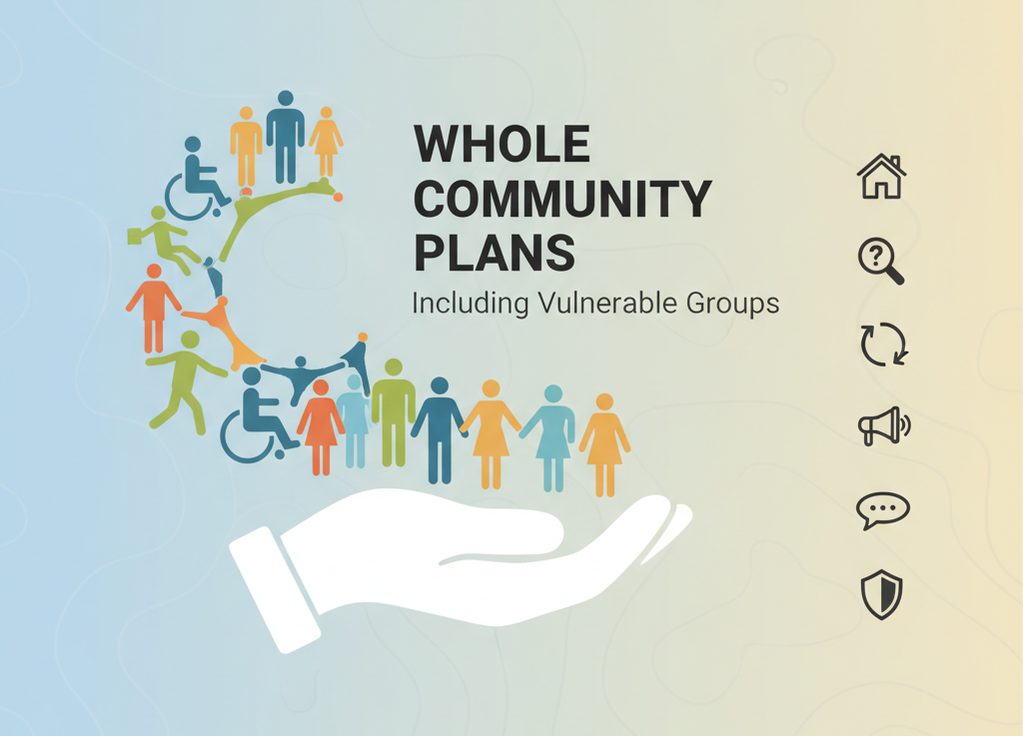
When disaster strikes, it’s often the most vulnerable who bear the brunt of the impact. Whole community planning seeks to address this reality by ensuring that everyone, regardless of their circumstances, has a role to play in preparedness, response, and recovery. The challenge lies in crafting a plan that actively includes those often left behind—people with disabilities, the elderly, low-income families, and others who may face unique barriers.
Key Takeaways
- Whole community planning emphasizes inclusion of vulnerable groups in emergency preparedness efforts.
- Assessing the unique needs of diverse populations is critical for effective disaster response.
- Collaboration among community members strengthens resilience against natural disasters.
- Government agencies must integrate equitable access into their planning processes.
- Local organizations play a vital role in identifying and supporting at-risk populations.
- Building trust within communities enhances participation in emergency planning initiatives.
- Effective communication strategies are essential to ensure all voices are heard in planning discussions.
Understanding Vulnerable Groups in Emergency Planning
When considering disaster preparedness, it’s essential to recognize that not everyone experiences emergencies in the same way. Vulnerable groups often face significant barriers, such as language differences, mobility challenges, or limited access to resources. Whole community planning addresses these disparities by taking a comprehensive approach to disaster management.
This involves not only assessing the needs of these groups but also actively involving them in planning. For instance, communities can establish advisory boards made up of representatives from various vulnerable populations. This ensures their perspectives influence the creation of plans and policies. Engaging individuals who understand these challenges firsthand is crucial for developing effective strategies.
The Power of Collaboration
Disasters don’t discriminate, but they do impact communities differently. By working together, community members can fortify their resilience. Collaborating with local organizations helps bridge the gap between government resources and the needs of vulnerable populations. For example, food banks, shelters, and local advocacy groups can provide invaluable insights into the unique challenges their constituents face during emergencies.
Communities that foster collaboration often see better outcomes. For instance, in 2020, a multi-agency initiative in New Orleans brought together local nonprofits, government agencies, and residents to create a comprehensive disaster response plan. This collaborative effort led to more tailored resources and services, significantly improving the community's ability to respond to Hurricane Laura.
Assessing Needs and Planning for Equity
Key to effective whole community planning is the assessment of needs specific to various populations. This process must be thorough and ongoing. Surveys, focus groups, and community meetings can gather essential data about the risks and resources pertinent to vulnerable groups.
Furthermore, planning must include clear goals and objectives connected to identified capabilities and scenarios. For example, a plan might outline how to ensure access to transportation for individuals with mobility challenges during evacuations. It could also detail strategies for providing information in multiple languages to cater to diverse communities.
Equitable access isn’t just about physical resources; it’s about ensuring everyone can participate in the planning process. Engaging vulnerable populations helps build trust and ensures their needs are recognized and addressed.
Communication: The Heart of Inclusion
Effective communication plays a pivotal role in whole community planning. It’s not enough to simply create a plan; communities must ensure that all members understand it. This means using clear, accessible language and various communication methods to reach different demographics.
Social media, community bulletins, and local radio can be powerful tools for disseminating information. Additionally, incorporating visual aids and translating materials can help bridge language barriers. For instance, during the COVID-19 pandemic, many communities developed multilingual resources to inform their residents about health guidelines and available support services.
Conclusion
Whole community plans are not just a bureaucratic exercise; they are lifelines that can save lives during crises. By including vulnerable groups in these plans, communities can enhance their resilience and ensure that no one is left behind when disaster strikes. It’s a call to action for all of us—community members, local leaders, and policymakers—to recognize the value of every voice in the planning process. The next time your community faces a challenge, remember: inclusivity isn’t just a nice-to-have; it’s essential for survival.