Addressing Staffing Shortages in EMS and Fire Services: Strategies for a Resilient Workforce
Lilla Odin
February 6, 2026
Addressing Staffing Shortages in EMS and Fire Services
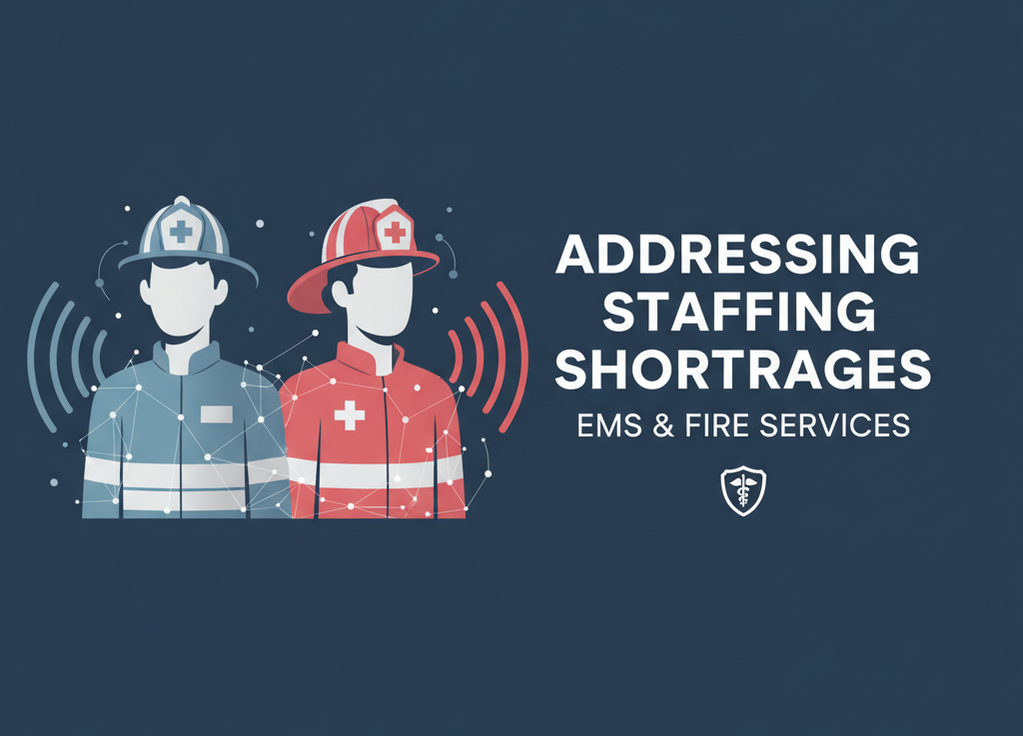
Imagine a small town where the sirens wail at odd hours. The firehouse stands ready, but the crew is stretched thin. Emergency Medical Services (EMS) and fire departments across the nation grapple with staffing shortages that threaten their ability to respond effectively. As the demand for emergency services continues to rise, addressing these staffing challenges has never been more critical.
Key Takeaways
- EMS agencies face significant staffing shortages exacerbated by high turnover rates and increased call volumes.
- Competitive wages and benefits are essential for attracting and retaining EMS personnel.
- Innovative recruitment strategies, including targeted outreach and training programs, can help fill gaps in staffing.
- Technology, such as scheduling software and telemedicine, can streamline operations and alleviate staffing pressures.
- Community involvement and support can enhance recruitment efforts and raise awareness of the challenges faced by emergency services.
- Mental health support and wellness programs for first responders are vital in reducing burnout and turnover.
- Partnerships with local educational institutions can create a pipeline for future EMS and fire service professionals.
The Scope of the Problem
Staffing shortages in EMS and fire services are not new, but recent trends have intensified the crisis. According to the National Fire Protection Association, nearly 70% of fire departments report staffing challenges, with many citing insufficient personnel to meet response demands. For EMS, the situation is equally dire. Agencies are experiencing a 30% turnover rate, driven largely by burnout and low pay.
Working under these conditions takes a toll. First responders often face intense pressure, leading to mental health issues and a decreased quality of service. As hospitals fill to capacity and emergency calls rise, the need for a robust workforce becomes even clearer.
Investing in Employees
To combat staffing shortages, EMS agencies must prioritize investing in their employees. Offering competitive wages and comprehensive benefits lays the foundation for a sustainable workforce. Agencies that fail to keep pace with market compensation risk losing talent to better-paying opportunities.
For example, a recent study found that EMS personnel in regions offering higher salaries reported greater job satisfaction and a lower likelihood of leaving their positions. Furthermore, providing additional benefits—such as health insurance, retirement plans, and paid time off—can create a more appealing workplace.
Innovative Recruitment Strategies
Recruitment strategies also need a makeover. Traditional methods may not suffice in today’s competitive job market. Agencies can benefit from targeted outreach to local communities, high schools, and colleges, showcasing the life-saving work of EMS and fire services.
Training programs that offer hands-on experience can attract individuals who may not have considered a career in emergency services. For instance, some departments have initiated high school internship programs that allow students to engage directly with first responders, fostering interest and commitment early on.
Harnessing Technology
Technology can be a game changer in mitigating staffing challenges. Scheduling software allows for efficient shift management, ensuring that personnel are available when needed. This not only optimizes existing staff but also appeals to potential recruits who value work-life balance.
Telemedicine is another innovation that can alleviate some pressure on EMS. By allowing paramedics to consult with doctors in real-time during emergencies, fewer personnel may be required on the ground, thus easing staffing constraints.
Community Support and Mental Health
Community involvement plays a crucial role in supporting emergency services. Local campaigns can raise awareness about the vital need for staffing in fire and EMS departments, encouraging residents to consider careers in these fields.
Moreover, addressing the mental health of first responders is paramount. Providing resources and programs focused on wellness can reduce burnout and improve retention rates. Agencies that prioritize mental health initiatives often find their employees more engaged and less likely to leave.
Building Future Leaders
An essential aspect of addressing staffing shortages lies in developing future leaders. Partnering with educational institutions creates pathways for students to pursue careers in emergency services. Scholarships, mentorship programs, and internship opportunities can build a pipeline of qualified candidates ready to step into roles.
Conclusion
The challenge of staffing shortages in EMS and fire services is multifaceted, requiring a comprehensive approach. Agencies must invest in their personnel, adopt innovative recruitment strategies, leverage technology, and prioritize mental health. By doing so, they can create a resilient workforce capable of meeting the demands of their communities. The next time the sirens wail, the responders will be ready, ensuring that help is always just a call away.