Hospital Preparedness Strategies for Healthcare Crises in 2026
Mark
February 6, 2026
Hospital Preparedness for Healthcare Crises in 2026
As we step into 2026, the landscape of healthcare is evolving. Hospitals are no longer just institutions for treatment; they are pivotal in managing crises that can disrupt communities and healthcare systems alike. Preparedness is no longer a reactive measure but a proactive strategy that defines hospital operations.
Key Takeaways
- Integrated Crisis Planning: Hospitals implement integrated crisis management plans that encompass staff training, resource allocation, and real-time response strategies.
- Technology Utilization: Advanced data analytics and telehealth platforms are utilized to enhance patient care during crises, ensuring continuity of services.
- Collaborative Networks: Hospitals create collaborative networks with local agencies and organizations to streamline communication and resource sharing during emergencies.
- Mental Health Support: Emphasis on mental health resources for staff and patients is prioritized to maintain resilience and cope with stress during crises.
- Continuous Training: Regular training simulations and drills are conducted to prepare healthcare teams for various emergency scenarios effectively.
- Supply Chain Resilience: Hospitals focus on building robust supply chain strategies to ensure a steady flow of necessary medical supplies during crises.
- Community Engagement: Engaging with local communities helps hospitals foster trust and preparedness, ensuring a cooperative response to health emergencies.
Integrated Crisis Planning
Planning for healthcare crises in 2026 involves a comprehensive approach that integrates various operational facets. Hospitals are developing robust crisis management frameworks that encompass everything from staff training to resource allocation.
For instance, many hospitals have adopted the Incident Command System (ICS), which allows for a structured response during emergencies. This system ensures that every team member knows their role and responsibilities, promoting efficiency during high-pressure situations. A study by the National Healthcare Preparedness Program emphasizes that hospitals employing ICS report higher success rates in crisis management.
Technology Utilization
Incorporating technology into hospital operations is a game changer for preparedness. Hospitals are leveraging advanced data analytics to predict potential crises and assess resource allocation needs.
Telehealth platforms have become crucial, allowing hospitals to maintain patient care continuity, even during lockdowns or when physical visits are not feasible. According to a report from the American Hospital Association, telehealth visits surged by 154% in 2022, and this trend is expected to continue, making it a vital component of crisis management strategies.
Collaborative Networks
The importance of collaboration cannot be overstated in times of crisis. Hospitals are forming partnerships with local health departments, emergency services, and community organizations. These collaborative networks facilitate efficient communication and resource sharing, which are essential during emergencies.
For example, hospitals in urban areas are now part of formalized networks that include local law enforcement and fire departments. This collaboration allows for quick response times and shared resources, which is crucial during public health emergencies. A recent initiative in New York City demonstrated that hospitals participating in such networks were able to respond to emergencies 30% faster than those operating independently.
Mental Health Support
Amidst crises, mental health often takes a backseat, but hospitals are prioritizing mental health resources for both staff and patients. The psychological toll of a healthcare crisis can be significant, and providing support is crucial for maintaining operational effectiveness.
Hospitals are implementing programs that offer counseling services, stress management workshops, and peer support groups. According to a survey conducted by the Healthcare Workers Coalition, 67% of healthcare workers reported increased stress levels during crises, highlighting the need for proactive mental health strategies.
Continuous Training
Training is the backbone of preparedness. Hospitals are conducting regular simulations and drills to ensure that staff are equipped to handle various emergency scenarios. These training sessions not only enhance individual skills but also foster teamwork and communication.
A notable example is the annual disaster preparedness drill held by hospitals across California, which simulates various crisis situations, including natural disasters and pandemics. Feedback from these drills has led to significant improvements in response strategies, reinforcing the idea that continuous training is essential for effective crisis management.
Supply Chain Resilience
The COVID-19 pandemic exposed vulnerabilities in healthcare supply chains, prompting hospitals to rethink their strategies. Building supply chain resilience means establishing relationships with multiple suppliers, investing in local partnerships, and utilizing technology for real-time tracking of supplies.
Hospitals are now implementing robust inventory management systems that allow for better visibility of stock levels, reducing the risk of shortages during crises. A recent report by the Institute for Healthcare Improvement found that hospitals with resilient supply chains experienced 40% fewer disruptions during emergencies.
Community Engagement
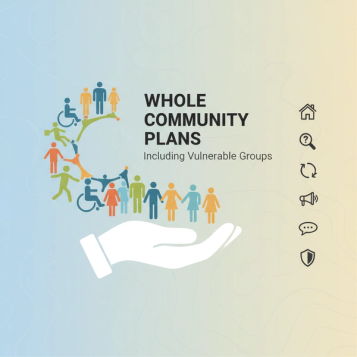
Finally, engaging with local communities is essential for effective crisis management. Hospitals are taking proactive steps to build relationships with community members, fostering trust and support.
Community engagement initiatives include health education programs, outreach services, and open forums for discussion. These efforts not only prepare communities for potential health crises but also strengthen the overall healthcare ecosystem.
In conclusion, as we navigate through 2026, the shift towards proactive preparedness in hospitals is evident. By integrating technology, fostering collaboration, and prioritizing mental health, hospitals are not just surviving crises—they are thriving in the face of adversity. The challenge now is maintaining this momentum and ensuring that these strategies become ingrained in the fabric of healthcare operations.