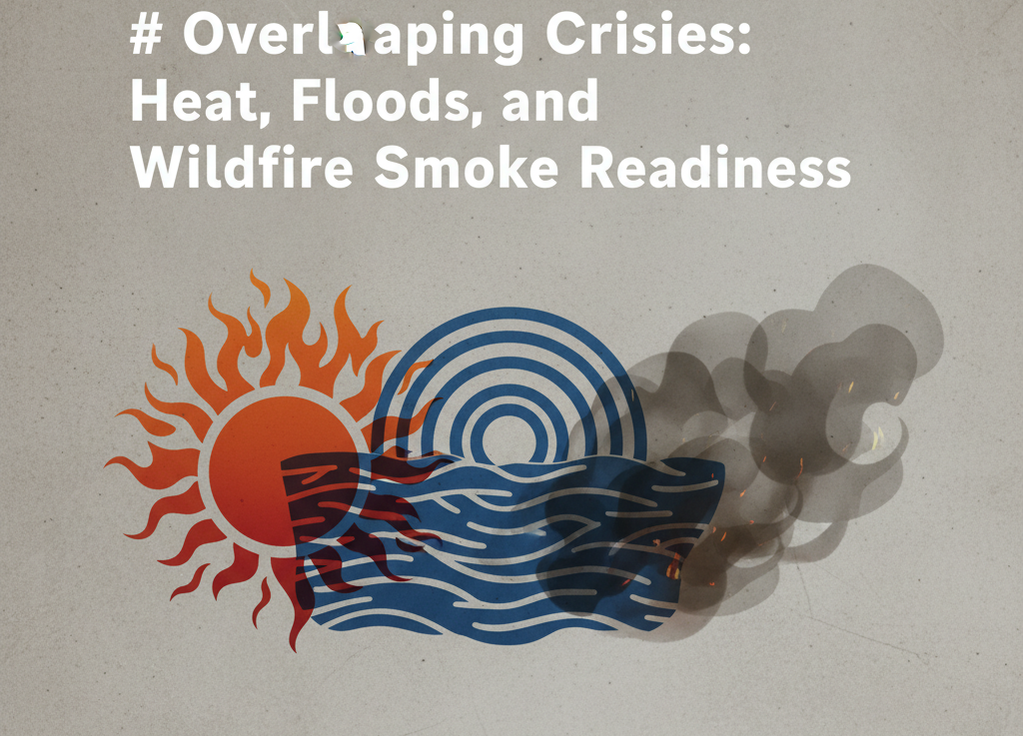
Overlapping Crises: Heat, Floods, and Wildfire Smoke Readiness
Lilla Odin
February 6, 2026
Overlapping Crises: Heat, Floods, and Wildfire Smoke Readiness
Picture a summer day where the sun beats down relentlessly, the air is thick with humidity, and the sky turns ominous with dark clouds. In the span of a few hours, the heat is suffocating, severe floods threaten homes, and smoke from nearby wildfires blankets the area. This scenario, once a rare convergence of disasters, is becoming alarmingly common as climate change intensifies the frequency and severity of overlapping crises.
Key Takeaways
- Natural disasters are increasing in number and intensity, leading to overlapping crises that strain community resources.
- Heatwaves can exacerbate the health impacts of floods and wildfire smoke, creating compounded risks for vulnerable populations.
- Communities must prioritize readiness plans that address multiple hazards simultaneously, rather than in isolation.
- Effective communication and public awareness campaigns are essential for preparing residents for multiple environmental threats.
- Innovative technologies in weather forecasting help predict and manage these overlapping crises more effectively.
- Local governments should implement integrated response strategies that encompass heat, flooding, and wildfire smoke readiness.
- Public health interventions must account for the cumulative effects of these crises on mental and physical health.
The Reality of Overlapping Crises
The rise of overlapping crises is not just a theory; it’s a reality backed by data. Research from the Cooperative Institute for Research in Environmental Sciences reveals that the number of severe weather events—like heatwaves, floods, and wildfires—has risen dramatically over the past few decades. As these crises converge, the challenges they pose for public health, infrastructure, and emergency services multiply.
Take the summer of 2023 as a case study. Regions across the United States faced unprecedented heatwaves, which were then followed by torrential rains that resulted in flash floods. Areas already stressed from heat found themselves grappling with power outages, making it impossible to cool down. This overlap of crises created a perfect storm for health emergencies.
The Health Impacts of Heat and Smoke
Heat and wildfire smoke are particularly insidious when it comes to health impacts. Heat-related illnesses can escalate rapidly; high temperatures can lead to dehydration, heat stroke, and even death. When combined with smoke inhalation from wildfires—known for aggravating respiratory issues—the risks soar. The Centers for Disease Control and Prevention (CDC) notes that individuals with pre-existing conditions like asthma or heart disease are at heightened risk during these overlapping events.
A study published in the National Institutes of Health highlights how the combined effects of heat and smoke can lead to increased hospital admissions, further stressing healthcare systems already reeling from the pandemic’s aftermath. This creates a vicious cycle where the most vulnerable populations—such as the elderly and those with existing health issues—bear the brunt of these overlapping crises.
Preparing for Multiple Hazards
So, how can communities prepare for this new reality? The answer lies in integrated preparedness plans that address multiple hazards simultaneously. Local governments and emergency services need to collaborate to ensure that resources are in place for heat management, flood response, and wildfire smoke mitigation.
For example, cities can implement cooling centers that remain open during extreme heat while also serving as shelters during flood events. Emergency communication should be consistent and clear, informing residents about the risks and available resources. The integration of technology, such as predictive weather models, can aid in planning and resource allocation.
The Role of Public Awareness
Public awareness is a critical piece of the puzzle. Communities must engage in proactive education campaigns that inform residents about the signs of heat-related illness, safe evacuation routes during floods, and the dangers of wildfire smoke.
Social media campaigns can play a crucial role in disseminating real-time information. Engaging local influencers can amplify these messages, ensuring that they reach a broader audience. When communities are informed, they become more resilient in the face of these overlapping crises.
Moving Forward: A Call to Action
The increasing prevalence of overlapping crises demands urgent action from policymakers, community leaders, and residents alike. It’s not just about weathering the next storm; it’s about building a culture of readiness that considers the complex interplay of climate-related events.
As climate change continues to escalate, the need for comprehensive, adaptive strategies becomes clear. Communities must not only react but proactively prepare for the future, ensuring that they are equipped to handle the heat, floods, and wildfire smoke that may come their way. It’s a challenge that requires collaboration, innovation, and a commitment to safeguarding public health and safety for all.