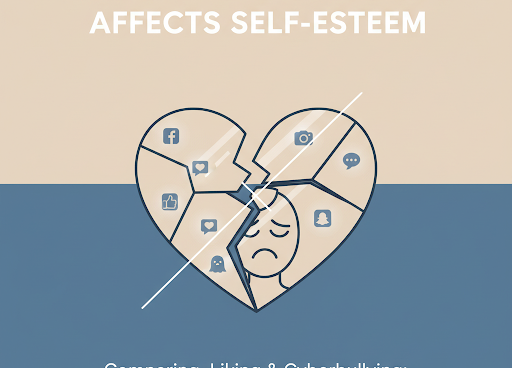
6 Ways Social Media Affects Self-Esteem
Lilla Odin
April 28, 2026
Imagine scrolling through Instagram, seeing perfectly curated images of friends’ vacations, stylish outfits, and seemingly flawless lives. How does that make you feel? If your heart sinks or you feel a twinge of inadequacy, you’re not alone. Social media plays a significant role in shaping our self-esteem, often in ways we don't fully comprehend. Below, we dive into six distinct ways that social media impacts our self-worth.
Key Takeaways
- Social media can create unrealistic standards of beauty and success, leading to negative self-image.
- Constant comparison with others on platforms like Instagram can fuel feelings of inadequacy and anxiety.
- The pursuit of likes and followers can lead to addictive behaviors, affecting overall well-being.
- Cyberbullying on social media platforms can severely damage self-esteem, especially among youth.
- Positive interactions on social media can enhance self-esteem through social support and validation.
- Setting boundaries and reducing screen time can mitigate the negative effects of social media on self-esteem.
1. The Comparison Trap
Social media is a highlight reel. People showcase their best moments, leading to a skewed perception of reality. When you constantly compare your life to those curated snapshots, feelings of inadequacy can arise. Research indicates that social media users, particularly adolescents, experience heightened anxiety and depression due to these comparisons.
Platforms like Facebook and Instagram can exacerbate this issue. Scrolling through a feed filled with images of friends enjoying life can leave one feeling left out or inferior. The more time spent on these platforms, the more likely individuals are to engage in social comparison, which can erode self-esteem.
2. Validation and Worth
In the quest for affirmation, social media users often equate the number of likes, shares, or comments they receive with their self-worth. This phenomenon is particularly pronounced among younger users. Studies have shown that a single like can trigger a dopamine response, reinforcing the cycle of seeking external validation.
However, this reliance on social media for self-esteem can be dangerous. When the likes dwindle or engagement drops, it can lead to significant emotional distress. The pressure to maintain a public persona can also prevent individuals from expressing their true selves or seeking genuine connections.
3. Cyberbullying and Its Consequences
The anonymity of social media can embolden bullies. Cyberbullying is rampant on platforms like Twitter and Snapchat, where harmful comments can spread quickly. Victims often experience profound impacts on their self-esteem, as personal attacks can feel more intense than in-person bullying.
The consequences are alarming. Research shows that those who experience cyberbullying are at a higher risk for depression, anxiety, and even suicidal thoughts. The digital nature of these attacks can make it hard for victims to escape, leading to a constant state of distress.
4. The Double-Edged Sword of Community
Not all social media interactions are harmful. For many, online platforms provide a sense of belonging and support. Groups focused on shared interests or experiences can foster community and positively impact self-esteem. Positive reinforcement from peers can bolster confidence and encourage individuals to embrace their identity.
However, the experience is not universal. While some find solace in online communities, others may feel alienated or misunderstood. The impact of social media on self-esteem can vary widely based on individual experiences and the nature of online interactions.
5. Addiction and Overuse
The design of social media platforms encourages users to spend more time online, often leading to addiction. This compulsive behavior can detract from real-life interactions and activities that boost self-esteem, such as exercise, hobbies, or spending time with loved ones.
Studies indicate that excessive social media use correlates with lower self-esteem and increased feelings of loneliness. When individuals prioritize online interactions over face-to-face connections, they miss out on the emotional benefits that come from genuine human contact. Setting limits on screen time can help reclaim that balance.
6. Taking Control: Setting Boundaries
Recognizing the impact of social media on self-esteem is the first step toward mitigating its effects. One effective strategy is to set clear boundaries around social media use. This can include:
- Time Limits: Use built-in features on apps to restrict usage to a certain number of hours per day.
- Designate Social Media-Free Times: Create specific times during the day or week to disconnect completely.
- Curate Your Feed: Unfollow accounts that make you feel inadequate, and follow those that inspire or uplift you.
- Engage Mindfully: Before posting, reflect on your motivations. Are you seeking validation or genuinely sharing your experiences?
By implementing these measures, individuals can regain control over their social media interactions and improve their overall mental well-being.
Conclusion
Social media is a complex landscape that can significantly affect self-esteem, often in contradictory ways. While it can foster a sense of community and support, it also harbors pitfalls of comparison, validation-seeking, and cyberbullying. Understanding these dynamics is crucial in navigating the digital world.
As we move forward, consider how social media fits into your life. Are you using it as a tool for connection, or is it undermining your self-worth? By setting boundaries and being mindful of your online presence, you can transform your social media experience from one that diminishes self-esteem to one that enhances it. Take a step back, reflect on your usage, and prioritize real connections both online and offline.