7 Signs You Need Better Work-Life Boundaries
Lilla Odin
April 28, 2026
Imagine answering “just one more email” before bed, only to realize it’s past midnight and your mind is still racing. Or sitting at dinner with your family while your phone lights up with work notifications you feel compelled to check. In a world where remote work, side hustles, and constant connectivity are the norm, the line between professional and personal life has never been blurrier.
Work-life balance isn’t just a trendy phrase. It’s essential for your mental health, relationships, and long-term success. If you’ve been feeling stretched thin, here are seven clear signs that it may be time to set stronger, healthier boundaries.
Key Takeaways
- Poor work-life boundaries can lead to chronic stress and burnout.
- Constant availability reduces productivity and overall well-being.
- Emotional exhaustion often signals an imbalance between work and personal life.
- Strained relationships can result from blurred professional limits.
- Setting clear communication rules improves both performance and peace of mind.
- Boundaries protect your time, energy, and mental clarity.
1. You’re Always “On.”
Do you check emails first thing in the morning and last thing at night? If your workday never truly ends, that’s a major red flag.
Technology has made it easy to stay connected 24/7, but constant accessibility comes at a cost. When your brain never gets a break, stress hormones remain elevated, and over time, this can lead to fatigue, irritability, and even physical health issues.
Healthy boundaries mean defining when you are available and when you are not. Logging off at a set time, turning off notifications, or using separate devices for work and personal life can help restore balance.
2. You Feel Guilty When You’re Not Working
Rest should feel restorative, not shameful. If you struggle to relax without feeling unproductive or anxious, your boundaries may be too weak.
Many professionals internalize the idea that their worth is tied to output. As a result, downtime feels like failure. But sustainable success requires recovery. Athletes build rest days into their training for a reason. The same principle applies to your brain and body.
When you allow yourself genuine time off without guilt, you return to work sharper, more creative, and more focused.
3. Your Relationships Are Suffering
Have loved ones commented that you’re distracted or unavailable? Do you cancel personal plans because of last-minute work demands?
Blurry boundaries often shift the emotional burden onto family and friends. Over time, missed dinners, interrupted conversations, and divided attention can strain even the strongest relationships.
Healthy work-life boundaries mean being fully present where you are. When you’re at work, focus on work. When you’re home, protect that space. Communicating clear limits to colleagues helps ensure your personal time stays personal.
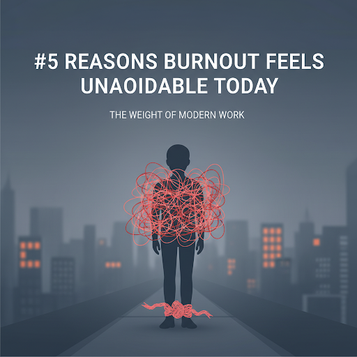
4. You’re Experiencing Burnout Symptoms
Burnout doesn’t happen overnight. It builds gradually through chronic stress and lack of recovery. Common signs include:
- Constant exhaustion, even after sleeping
- Cynicism or detachment from work
- Decreased motivation and productivity
- Frequent headaches or tension
If you find yourself dreading tasks you once enjoyed or feeling emotionally numb, it may be your body signaling that your workload and personal time are out of balance.
Stronger boundaries, such as realistic deadlines, clearer expectations, and protected time off, can prevent burnout from escalating.
5. You Struggle to Say No
Do you automatically accept every request, meeting, or project? If so, you might be overextending yourself.
Saying yes to everything often stems from fear of disappointing others or appearing uncommitted. However, consistently overcommitting dilutes your effectiveness and drains your energy.
Setting boundaries requires assertiveness. A respectful “I can’t take this on right now” or “I’ll need to prioritize my current workload” is not unprofessional. It demonstrates self-awareness and responsible time management.
6. Your Productivity Is Declining
Ironically, working longer hours does not always mean accomplishing more. In fact, blurred boundaries can reduce efficiency.
When you’re constantly multitasking between personal and professional responsibilities, your focus fragments. Cognitive research shows that task switching reduces accuracy and increases fatigue.
Clear boundaries create structured time blocks. Dedicated work hours encourage deep focus, while protected personal hours allow your brain to recharge. The result is higher-quality output in less time.
7. You No Longer Enjoy Your Personal Life
Perhaps the most telling sign is this: even when you have free time, you can’t fully enjoy it.
Maybe you’re physically present at a gathering but mentally drafting emails. Or perhaps hobbies that once brought joy now feel like obligations squeezed into a packed schedule.
Your personal life is not a secondary priority. It is a vital part of your identity and well-being. When work consistently overshadows leisure, creativity, and connection, it’s time to reassess your limits.
How to Start Setting Better Boundaries
Recognizing the signs is the first step. Taking action is the next step. Here are practical ways to rebuild healthier work-life boundaries:
- Define clear work hours and communicate them to your team.
- Turn off non-urgent notifications after hours.
- Create a dedicated workspace to separate work from home life mentally.
- Schedule personal activities with the same commitment as meetings.
- Practice assertive communication when workloads become unrealistic.
Boundaries are not about working less. They’re about working smarter and living better. When you protect your time and energy, you show up more effectively in every area of life.
Conclusion
In today’s hyperconnected culture, blurred work-life boundaries have become common, but they should not be normalized. Chronic stress, guilt during downtime, strained relationships, and declining productivity are all signals that something needs to change.
Healthy boundaries are not selfish or career-limiting. They are essential safeguards for your mental clarity, emotional well-being, and long-term success.
Take a moment to reflect. Are you truly off the clock when the workday ends? Or are you carrying it with you into every corner of your life?
If any of these signs resonate, consider this your invitation to draw a clearer line. Your work matters, but so does your life beyond it.