5 Reasons Burnout Feels Unavoidable Today
Lilla Odin
April 28, 2026
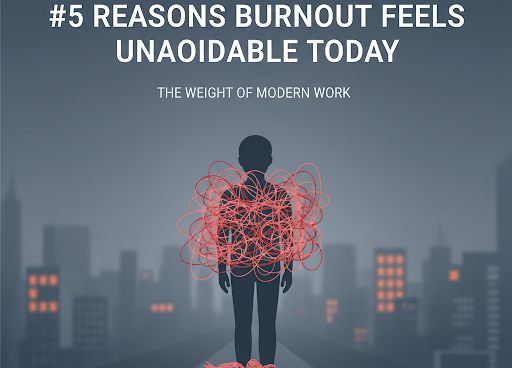
Burnout has become an all-too-familiar term in workplaces across the globe. It’s no longer confined to those in high-stress jobs; it has infiltrated various sectors and demographics. Many professionals feel like they are running a race with their shoelaces tied together. The question is, why does burnout feel so inevitable in our current work culture?
Key Takeaways
- The increasing demands of modern work often exceed available resources, leading to burnout.
- Social media amplifies feelings of inadequacy, contributing to workplace stress.
- A lack of adequate support and resources makes employees feel trapped in their roles.
- The blurred lines between personal and professional life enhance feelings of overwhelm.
- Organizations that ignore burnout risk higher turnover rates and decreased productivity.
The Weight of Overwhelming Demands
One significant reason burnout feels unavoidable is the growing pressure placed on employees. In a world that prioritizes efficiency and speed, many find themselves juggling an overwhelming number of tasks. A study by Christina Maslach, a pioneer in burnout research, indicates that when job demands surpass the resources available to handle them, burnout becomes more likely.
This imbalance manifests in various ways: unrealistic deadlines, an ever-expanding workload, and a culture that glorifies overworking. For instance, a marketing manager might be expected to handle multiple campaigns simultaneously while also managing social media, analytics, and client communications. Each additional task can feel like another weight added to an already heavy backpack, leading to a point where the individual feels they cannot carry on.
The Toxic Influence of Social Media
In today’s digital age, social media serves as both a tool and a tormentor. On one hand, it allows for networking and professional development; on the other, it breeds a culture of comparison. Employees frequently scroll through curated feeds showcasing their peers’ achievements, which can heighten feelings of inadequacy and stress.
Research shows that individuals who engage heavily with social media are more likely to experience anxiety and depression, both of which contribute to burnout. The pressure to project a perfect image can lead to longer hours and a relentless pursuit of unattainable goals. When combined with workplace expectations, this creates a perfect storm for burnout.
Lack of Support and Resources
Another critical factor is the lack of adequate support and resources in many organizations. Employees want to feel equipped to do their jobs effectively, yet many find themselves without the necessary tools or backing. This is particularly true in industries that have undergone rapid changes or faced resource cuts.
Consider a healthcare worker during a pandemic. Faced with a surge of patients, inadequate staffing, and limited supplies, the chances of burnout skyrocket. When employees perceive their organization as unsupportive, they can feel trapped in their roles, unsure of how to navigate the challenges they face. This feeling of entrapment can lead to disengagement and eventual burnout.
The Blurred Lines of Work-Life Balance
The rise of remote work has further complicated the work-life balance. While it offers flexibility, it also blurs the boundaries between personal and professional life. Many remote workers find themselves responding to emails late at night or attending virtual meetings during family time, leading to an “always-on” mentality.
This lack of separation can contribute to chronic stress, making it difficult for individuals to recharge. A survey conducted by Gallup found that 76% of remote workers reported experiencing burnout at least sometimes, underscoring the challenges of maintaining a healthy work-life balance in this new era.
The Organizational Blind Spot
Finally, organizations that fail to recognize and address burnout risk create a toxic workplace culture. Ignoring the signs of burnout can lead to high turnover rates, decreased productivity, and a general decline in morale. Employees who feel burnt out are less likely to be engaged, creative, or motivated.
For instance, a tech company that neglects to provide mental health resources or encourages a culture of overwork may see its star employees leave for companies that prioritize employee well-being. The long-term effects can be detrimental, not just to the employees but to the overall success of the organization.
Conclusion
Burnout feels unavoidable today due to a combination of overwhelming demands, societal pressures, lack of support, blurred boundaries, and organizational oversight. As workplaces evolve, addressing these issues becomes not just a moral imperative but also a business necessity. Organizations must take proactive steps to foster an environment that prioritizes employee well-being and mental health. It’s time to untie those shoelaces and create a workplace where everyone can thrive.