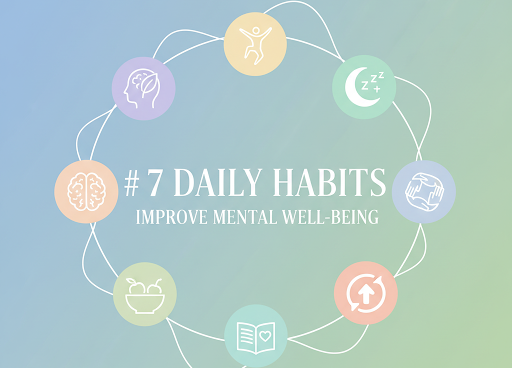
7 Daily Habits That Improve Mental Well-Being
Lilla Odin
April 28, 2026
Ever feel like life is just a series of tasks and responsibilities, leaving little room for your own mental health? If that resonates, you’re not alone. In a world constantly buzzing with noise and distraction, cultivating mental well-being has never been more crucial. The good news? Simple daily habits can produce significant changes in how we think and feel.
Key Takeaways
- Mindfulness meditation reduces stress and anxiety, enhancing overall mental clarity and emotional regulation.
- Regular physical activity releases endorphins, which boost mood and reduce feelings of depression.
- Establishing a consistent sleep schedule improves mood, cognitive function, and emotional resilience.
- Maintaining social connections fosters emotional support, which is essential for navigating life's ups and downs.
- Gratitude journaling shifts focus from negativity, fostering a more positive outlook on life.
- Healthy eating habits support brain health, influencing mood stability and energy levels.
- Setting daily goals enhances productivity and motivation, contributing to a sense of accomplishment.
Embrace Mindfulness
Mindfulness meditation is more than just a trendy buzzword; it’s a practice rooted in ancient traditions that has gained scientific backing. Research shows that dedicating just ten minutes a day to mindfulness can significantly reduce stress levels and improve emotional regulation.
Imagine sitting quietly, focusing on your breath, and letting go of the day's stresses. This practice not only calms the mind but also enhances your ability to respond to challenges with clarity rather than reactivity. Studies suggest that individuals who practice mindfulness regularly report lower levels of anxiety and a greater sense of well-being.
Consider starting your day with a brief meditation session. Apps like Headspace or Calm provide guided meditations that can fit into even the busiest schedules.
Move Your Body
Physical activity is a powerful antidote to mental health struggles. Whether it’s a brisk walk, a yoga class, or a high-intensity workout, moving your body releases endorphins, known as the body’s natural mood lifters.
Research indicates that just 30 minutes of moderate exercise a day can lead to significant improvements in mood and reductions in symptoms of anxiety and depression. It doesn’t have to be grueling. Dancing in your living room or gardening counts too. The key is to find something you enjoy so that it becomes a sustainable part of your daily routine.
Joining a local sports club or fitness group can also add a social element, enhancing the mental health benefits of physical activity.
Prioritize Sleep
Never underestimate the power of a good night's sleep. Establishing a consistent sleep schedule can work wonders for your mental health. When you prioritize sleep, you improve your mood, cognitive function, and emotional resilience.
Sleep deprivation can lead to irritability, decreased attention span, and increased stress levels. On the flip side, getting adequate rest helps the brain process emotions effectively. Aim for seven to nine hours of quality sleep each night.
Consider creating a calming bedtime routine. Dimming the lights, turning off electronic devices, and reading a book can signal your body that it's time to wind down.
Foster Social Connections
Humans are social creatures, and maintaining strong social connections is vital for mental well-being. A supportive network of friends and family can provide a buffer against stress and loneliness.
Regularly reaching out to loved ones, even for a brief chat, can foster feelings of belonging and enhance your emotional health. Make it a habit to schedule regular catch-ups, whether in person or virtually.
Engaging in community activities or volunteering can also expand your social circle and provide a sense of purpose, which is crucial for mental health.
Practice Gratitude
In a world often focused on what’s lacking, practicing gratitude can be a game-changer. Keeping a gratitude journal, where you jot down three things you’re grateful for each day, can shift your focus from negativity to appreciation.
Research shows that gratitude is associated with improved mental health, increased happiness, and even better physical health. It can reduce feelings of envy and resentment, leading to a more positive outlook on life.
Set aside a few minutes each evening to reflect on your day and write down your thoughts. You’ll be surprised at how this simple practice can transform your perspective over time.
Nourish Your Body
What you eat directly affects how you feel. A balanced diet rich in fruits, vegetables, whole grains, and lean proteins supports brain health and mental well-being. Omega-3 fatty acids, found in fish like salmon, are particularly beneficial for mood regulation.
Conversely, consuming excessive sugar and processed foods can lead to mood swings and fatigue. Make a habit of planning your meals to include nutrient-dense foods that fuel both your body and mind.
Consider trying meal-prepping on the weekends to ensure you have healthy options readily available throughout the week. Your brain will thank you.
Set Daily Goals
Setting achievable daily goals can provide a sense of purpose and accomplishment. Whether it’s completing a work project, finishing a book, or simply organizing a room, these small wins can boost your self-esteem and motivation.
Break larger tasks into manageable parts and celebrate the completion of each step. This habit can create a positive feedback loop that reinforces productivity and reduces feelings of overwhelm.
Establishing a morning routine where you outline your goals for the day can set a proactive tone, making you feel more in control and focused.
Conclusion
Incorporating these seven daily habits into your life can dramatically enhance your mental well-being. Start small; even minor changes can lead to significant improvements. As you implement these habits, pay attention to how they make you feel. Mental health is an ongoing journey, not a destination. The keys to a more fulfilling, balanced life are within reach, and the power to change is in your hands. Embrace these habits, and watch as your mental landscape shifts for the better.