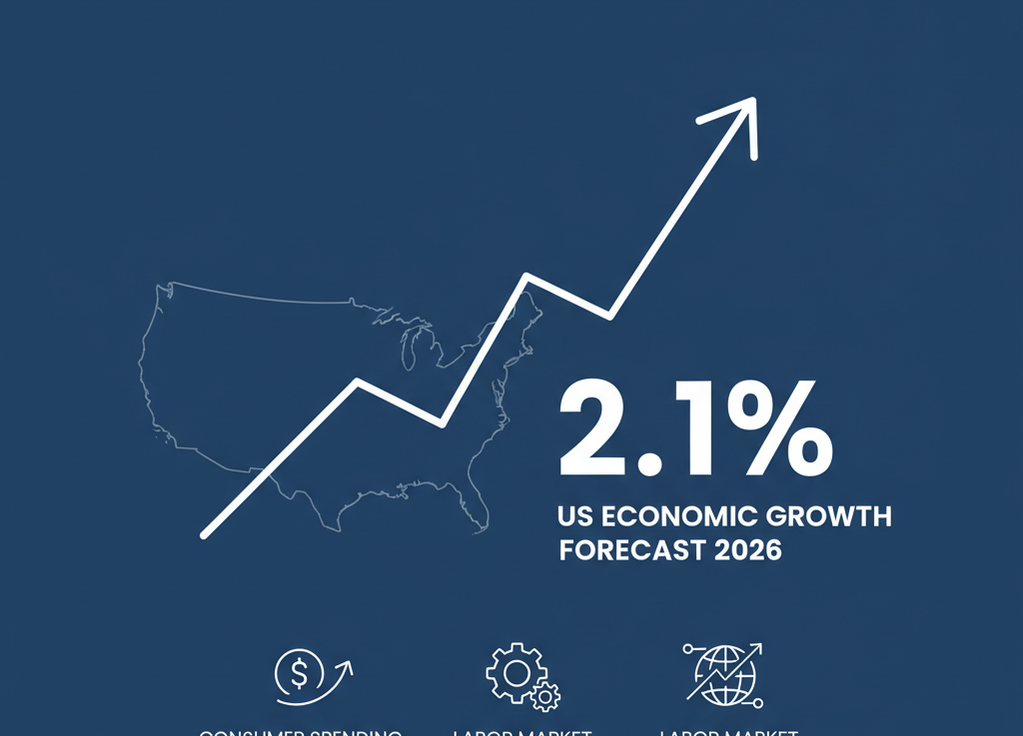
US Economic Projections for 2026: 2.1% Growth Forecast
Sarah Lee
February 16, 2026
US Economic Projections for 2026: 2.1% Growth Forecast
As the U.S. economy emerges from a turbulent couple of years marked by a pandemic, supply chain disruptions, and inflationary pressures, the outlook for 2026 is cautiously optimistic. According to recent projections, the U.S. economy is expected to grow at a rate of 2.1% in 2026. This figure, while modest, reflects a nuanced understanding of the current economic landscape and the challenges that lie ahead.
Key Takeaways
- Projected Growth Rate: The U.S. economy is expected to grow by 2.1% in 2026.
- Consumer Spending Influence: Robust consumer spending continues to be a significant driver of economic growth.
- Labor Market Dynamics: Rising real wages contribute to increased disposable income, supporting consumer confidence.
- Global Economic Interdependencies: Many developing economies struggle, affecting global trade and investment dynamics.
- Sustainable Development Goals: Progress towards these goals remains stagnant for many countries due to economic instability.
- Congressional Budget Projections: Budget forecasts are influenced by the Congressional Budget Office’s current economic assessments.
- Inflationary Pressures: Ongoing inflation remains a concern, impacting purchasing power and consumer behavior.
Understanding the Growth Forecast
The 2.1% growth forecast for 2026 represents a stable yet unspectacular recovery trajectory. Last year, the U.S. economy demonstrated solid growth, largely propelled by consumer spending, rising real wages, and a buoyant stock market. The resilience of consumer confidence has been a bright spot, as individuals find themselves with more money to spend, bolstered by wage increases. However, this growth is not without its caveats.
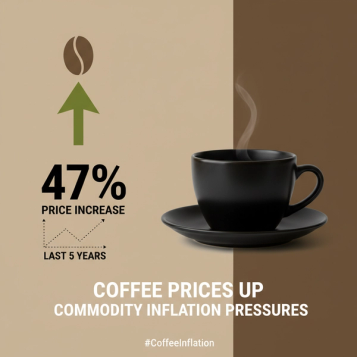
Inflation has been a persistent thorn in the side of economic recovery. While the Federal Reserve has taken steps to manage inflation, the effects are trickling down to consumers. Higher prices for goods and services can erode the positive impacts of wage increases. As a result, economists are closely watching inflation trends, as they will play a crucial role in shaping the economic landscape leading up to 2026.
Labor Market and Consumer Spending
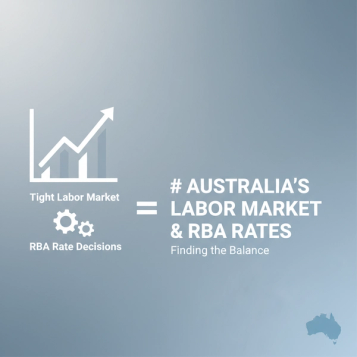
A robust labor market remains pivotal to the growth forecast. With unemployment rates remaining near historic lows, the labor market has shown resilience. However, the nature of employment is evolving. Remote work, gig economy jobs, and a shift towards more flexible work arrangements are all factors that could influence economic growth.
Consumer spending is the lifeblood of the U.S. economy, accounting for a significant portion of GDP. As disposable income rises due to wage growth, spending on goods and services is likely to increase. This, in turn, stimulates economic activity, creating a virtuous cycle of growth. However, should inflation continue to outpace wage growth, consumer spending may falter, leading to a downward revision of growth projections.
Global Economic Context
The U.S. economy does not exist in a vacuum. The struggles of many developing economies are concerning, particularly in relation to the Sustainable Development Goals. Progress towards these goals remains elusive for much of the world, creating a ripple effect that can impact U.S. trade and investment. As global markets remain interconnected, challenges in one part of the world can reverberate through to the U.S., affecting growth and stability.
The Congressional Budget Office (CBO) plays a vital role in shaping economic forecasts. Its projections, based on current economic conditions, will influence budgetary decisions at the federal level. As policymakers navigate the complex landscape of economic recovery, understanding the CBO's assessments will be crucial in determining the fiscal policies that will drive growth.
Looking Ahead
While the 2.1% growth forecast for 2026 is a sign of recovery, it also serves as a reminder of the work that remains. Policymakers, businesses, and consumers will need to remain vigilant as they address the challenges of inflation, labor market fluctuations, and global economic interdependencies.
The road ahead may be fraught with uncertainty, but it is also filled with opportunities. By focusing on sustainable growth strategies, enhancing consumer confidence, and addressing inflationary pressures, the U.S. economy can navigate the complexities of the next few years.
As the clock ticks down to 2026, the question remains: will the U.S. economy be able to sustain this growth trajectory? Only time will tell, but the proactive measures taken today will undoubtedly shape the future economic landscape.