Australia's Labor Market Tightness Drives RBA Interest Rate Decisions
Sarah Lee
February 16, 2026
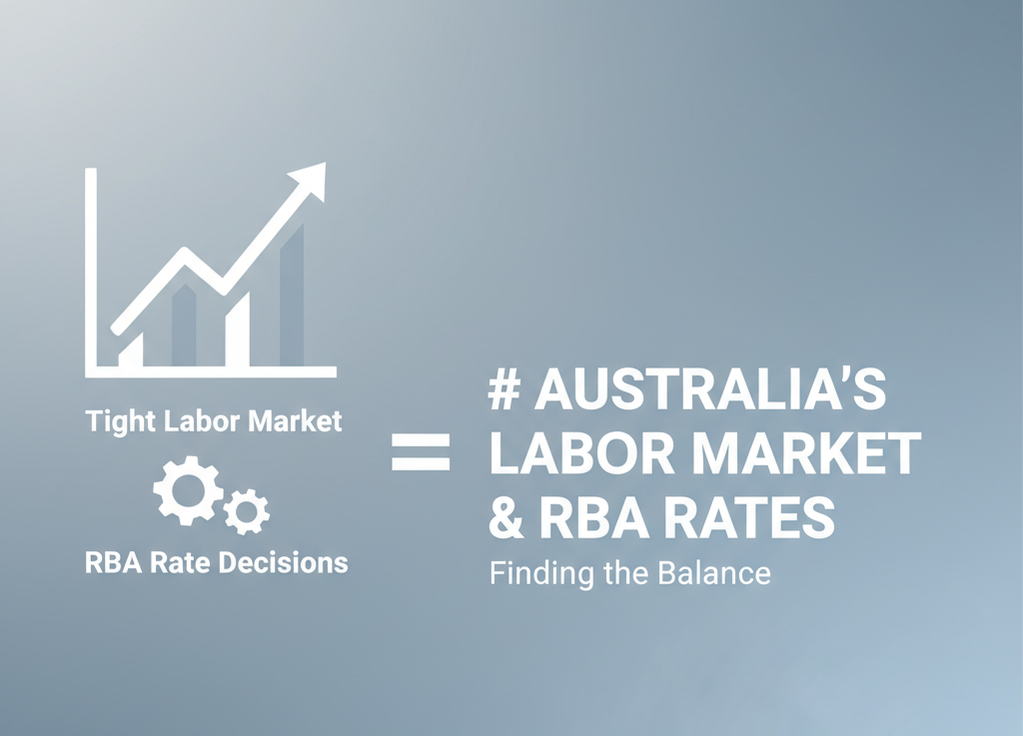
Australia's Labor Market Tightness and RBA Rate Decisions
Australia's labor market remains a focal point of economic discussion as it shows signs of tightness that could influence the Reserve Bank of Australia's (RBA) monetary policy decisions. As the country navigates through post-pandemic recovery, understanding the interplay between labor market dynamics and interest rate strategies becomes crucial for stakeholders across the board.
Key Takeaways
- The Australian labor market exhibits signs of continued tightness, indicating a solid foundation for economic stability.
- Recent data from January suggests that employment levels are robust, but growth is beginning to slow.
- RBA’s interest rate decisions are closely tied to labor market conditions, influencing inflation and consumer spending.
- Economists, including CBA's Harry Ottley, indicate that while the labor market is strong, it may not be as overheated as previously thought.
- Wage growth remains moderate, which will factor into the RBA's inflation targets and rate-setting decisions.
- The tight labor market is creating challenges for businesses struggling to find skilled workers, impacting productivity and growth.
- Understanding the nuances of these dynamics is essential for anyone involved in Australian economic planning or investment.
Understanding Labor Market Tightness
The term "labor market tightness" refers to a situation where job vacancies exceed the number of available job seekers. In Australia, this phenomenon is becoming increasingly evident. CBA economist Harry Ottley highlights that recent January data points to a labor market that is still strong, yet growth is beginning to decelerate. This suggests a shift where the balance of supply and demand is not as skewed as it once was.
The implications of this tightness are multifaceted. Businesses are facing challenges in recruiting talent, often leading to increased wage demands. As companies compete for a limited pool of skilled labor, wage growth becomes an essential metric for the RBA to consider when formulating monetary policy.
RBA's Rate Decision Framework
The Reserve Bank of Australia is tasked with maintaining economic stability, primarily through its interest rate decisions. When the labor market is tight, inflationary pressures often rise. Higher wages can lead to increased consumer spending, which may push prices up further. The RBA closely monitors these trends, adjusting interest rates accordingly to control inflation while promoting growth.
In recent months, the RBA has aimed to strike a delicate balance. With unemployment rates hovering around historically low levels, the bank must assess whether to maintain, increase, or decrease rates in response to labor market conditions. An increase in the cash rate could help curb inflation but might also stifle economic growth if it discourages consumer spending and business investment.
The Role of Wage Growth
Wage growth is a critical factor in the RBA's decision-making process. While the labor market is tight, average wage increases have remained moderate. According to data, this could be indicative of underlying productivity issues within certain sectors. If businesses cannot pass on higher labor costs to consumers, profit margins may shrink, leading to reduced investment in growth.
The RBA’s inflation target typically hovers around 2-3%, and the dynamics of wage growth are pivotal to achieving this goal. If wages rise too quickly, it may trigger the RBA to act preemptively with interest rate hikes. Conversely, stagnant wage growth could cause the RBA to adopt a more accommodative stance, allowing for further economic expansion.
Business Implications
For businesses operating in this tight labor market, the challenges are palpable. Many companies struggle to fill key positions, leading to potential disruptions in productivity and service delivery. This situation forces organizations to reassess their recruitment strategies, often increasing salaries or enhancing benefits to attract top talent.
Additionally, the uncertainty surrounding interest rates can complicate financial planning for businesses. Companies may hesitate to invest in growth initiatives if they anticipate rising borrowing costs. This hesitation can create a feedback loop, further impacting labor demand and economic growth.
Conclusion
Australia’s tight labor market presents both opportunities and challenges that are critical to the nation’s economic outlook. As the RBA navigates its interest rate decisions, the interplay between labor dynamics, wage growth, and inflation will remain at the forefront. Stakeholders must stay informed and agile, ready to adapt to the evolving economic landscape. The choices made today will shape the future of Australia’s labor market and economic health.