Upcoming PMI Data Reveals Insights into Global Economic Growth Shifts
Sarah Lee
February 16, 2026
Upcoming PMI Data: Insights into Global Growth Shifts
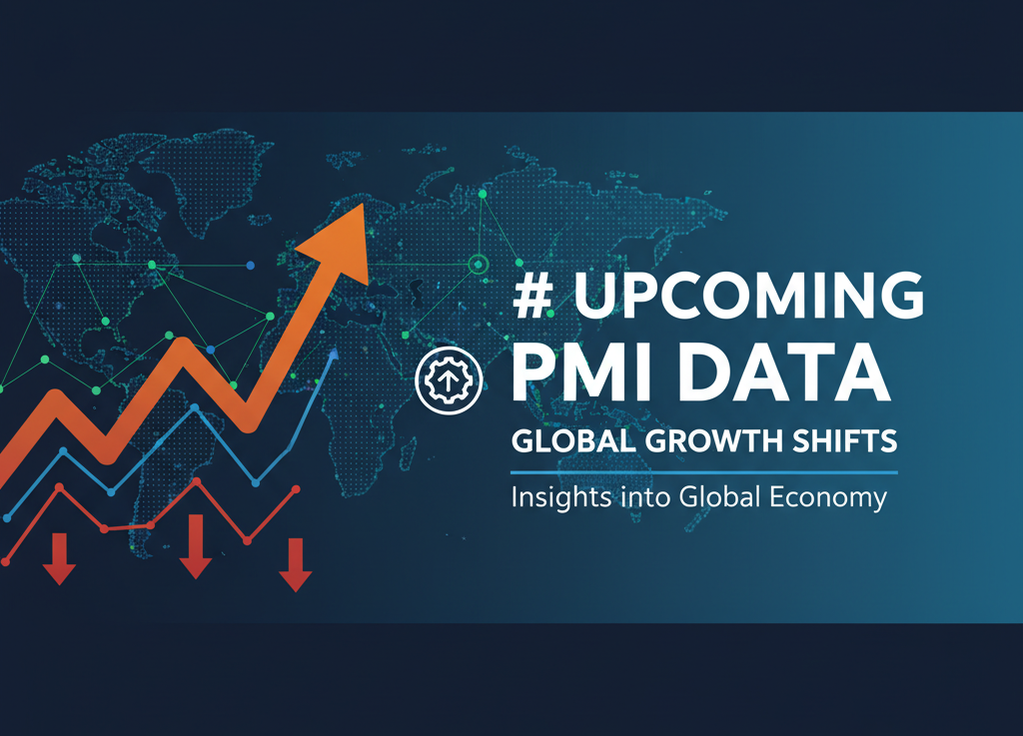
As we gear up for the latest Purchasing Managers' Index (PMI) data release, the financial community is buzzing with anticipation. This key economic indicator offers a glimpse into the health of the manufacturing and services sectors, providing critical insights into global economic trends. With the backdrop of recent geopolitical tensions and fluctuating trade policies, the PMI data could reveal significant shifts in global growth trajectories.
Key takeaways
- PMI data is essential for assessing economic health, providing insight into manufacturing and service sectors.
- The upcoming release is expected to reflect the impact of recent US trade policy changes on global markets.
- Analysts anticipate fluctuations in PMI readings due to a potential government shutdown in the US.
- Emerging markets may show resilience, counterbalancing slowdowns in developed economies.
- Historical PMI trends indicate that unexpected events can lead to rapid shifts in economic outlook.
- Investors should prepare for volatility in response to the data, particularly in equity and currency markets.
- Understanding the implications of PMI data is crucial for strategic economic planning.
The Importance of PMI Data
The PMI is more than a number; it’s a barometer for business confidence and economic activity. A PMI reading above 50 indicates expansion, while below 50 signals contraction. This data is compiled from surveys of private sector companies and is released monthly, offering timely insights into economic trends.
In a world still reeling from the aftereffects of the pandemic, the PMI data will be scrutinized for signals of recovery or decline. Analysts will pay close attention to any shifts that could foreshadow broader economic trends, especially given the backdrop of changing US trade policies and potential government shutdowns that could impact business sentiment.
Geopolitical Factors Influencing PMI
Recent developments in US trade policies have created ripples across global markets. As tariffs and trade agreements evolve, businesses are adjusting strategies, which could be reflected in upcoming PMI readings. For instance, manufacturing sectors in China and the EU may react to these changes, impacting their output and, consequently, their PMI figures.
The specter of a government shutdown in the US adds another layer of complexity. Historically, such shutdowns can disrupt federal operations, affecting suppliers and contractors. A decline in PMI readings during such periods would not be surprising, as uncertainty often leads businesses to scale back on expansion and hiring.
Emerging Markets: A Silver Lining?
While developed economies wrestle with these uncertainties, emerging markets may offer a contrasting narrative. Countries in Asia and South America have shown resilience, with many industries adapting quickly to changing global conditions. Increased domestic consumption and investment in infrastructure could help buoy their PMI numbers.
For instance, India has been demonstrating robust growth in its manufacturing sector, which could positively influence its PMI. This divergence in performance between emerging and developed markets invites investors to reassess their strategies. As global supply chains adjust, opportunities could arise in regions previously overlooked.
Historical Context: Lessons from the Past
To understand the potential implications of the upcoming PMI data, it’s essential to look at historical trends. The year 2025 was particularly telling, marked by unexpected events that sent economic forecasts into a tailspin. Changes in US trade policies and a government shutdown led to significant shifts in PMI readings, which in turn affected global markets.
These historical pivots remind us that the PMI can be a leading indicator of broader economic shifts. Investors and policymakers should take heed of these signals, as they can provide valuable insights into future trends.
Preparing for Market Volatility
As the PMI data release approaches, market participants should brace for potential volatility. Traders often react sharply to economic indicators, and PMI data is no exception. A surprise uptick or decline could lead to swift movements in equity and currency markets.
Investors looking to navigate this landscape should consider diversifying their portfolios to mitigate risks associated with sudden shifts. Understanding the broader implications of PMI readings—beyond mere numbers—can equip businesses and investors with the insights needed to make informed decisions.
Conclusion
The upcoming PMI data release is poised to be a critical moment for assessing global economic conditions. With the interplay of trade policies, government actions, and emerging market resilience, the implications of these indicators extend far beyond their immediate readings. As the data unfolds, it will not only reflect the current economic climate but also serve as a compass for future growth trajectories. Investors and analysts must stay vigilant, ready to adapt to the evolving economic landscape.