Sector Rotation in S&P 500: Energy Leads with 14% Gains in 2026
Asaf Biron
February 16, 2026
Sector Rotation in S&P 500: Energy Leads with 14% Gains
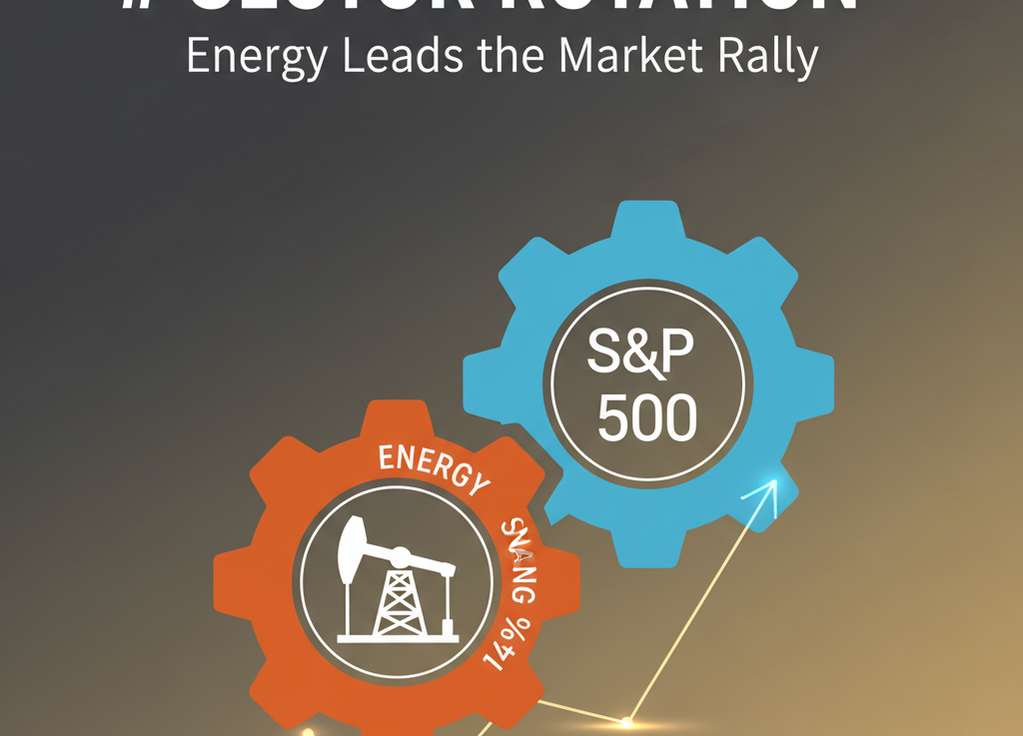
The stock market can often feel like a rollercoaster, with ups and downs driven by various economic indicators, investor sentiment, and sector performance. Recently, the energy sector has emerged as a beacon of strength, leading the S&P 500 with impressive gains of 14%. This surge raises questions about the dynamics of sector rotation and what it means for investors moving forward.
Key Takeaways
- Energy has become the top-performing sector in the S&P 500, boasting a 14% increase in 2026.
- Goldman Sachs identifies ten energy stocks with potential for ongoing investor returns.
- Recent weak job-related data has impacted broader market sentiment and sector performance.
- Sector rotation is influenced by economic indicators, such as inflation rates and Federal Reserve policies.
- Investors are advised to consider sector rotation strategies to capitalize on shifting market trends.
- Energy stocks are benefitting from rising oil prices and increased demand post-pandemic.
- Understanding sector rotation can help investors make informed decisions and optimize their portfolios.
Understanding Sector Rotation
Sector rotation refers to the strategy of moving investments from one industry sector to another based on economic cycles. When certain sectors outperform, savvy investors often pivot their focus to capitalize on these trends. The energy sector's recent surge can be attributed to a combination of rising oil prices and increased demand as the global economy recovers from the pandemic.
According to RBC Capital Markets, a shift in investor focus often occurs during economic transitions, particularly following weak job-related data. Such data can create uncertainty, prompting investors to seek stability in sectors like energy, which are perceived as less vulnerable to economic fluctuations.
Energy Sector: The Current Leader
In 2026, energy stocks have taken the lead in the S&P 500. This is not just a flash in the pan; it's a sign of a broader trend. Goldman Sachs has pinpointed ten energy stocks that are expected to continue delivering solid returns for investors. With the backdrop of fluctuating oil prices and geopolitical tensions, energy companies are finding themselves in a favorable position.
The increase in oil prices has been a significant driver of this sector's performance. As global economies ramp up, the demand for energy continues to rise, leading to higher prices and improved profit margins for energy companies. This creates a compelling case for investors to pay attention to this sector.
The Role of Economic Indicators
Economic indicators play a crucial role in shaping market dynamics. Recent weak job-related data has added a layer of complexity to the market landscape. When reports indicate sluggish job growth, investor confidence can waver, leading to a reallocation of assets. In this climate, sectors that demonstrate resilience, like energy, become attractive options.
The Federal Reserve's policies regarding interest rates and inflation also significantly influence sector rotation. As the Fed navigates its approach to managing economic growth and inflation, sectors that are sensitive to these changes, such as energy, often experience volatility. Investors need to stay informed about these indicators to make strategic decisions.
Capitalizing on Sector Rotation
For investors looking to take advantage of sector rotation, understanding the underlying trends is essential. Energy’s current performance presents a unique opportunity, but it’s not just about investing in any energy stock. It's crucial to research and select companies with strong fundamentals and growth potential.
Utilizing tools like sector ETFs can provide a diversified approach to gaining exposure to the energy sector. These funds often contain a basket of stocks, allowing investors to mitigate risk while benefiting from the overall performance of the sector.
Conclusion
As the S&P 500 showcases energy’s remarkable 14% gains, the importance of sector rotation becomes clear. For investors, this isn’t just a momentary trend; it’s a chance to rethink strategies and realign portfolios with sectors that demonstrate resilience and growth potential. With energy stocks leading the charge, there’s much to consider. The market's nature means that change is constant, and those who remain agile and informed will be better positioned to navigate the twists and turns ahead. So, keep an eye on those economic indicators and sector movements—your next investment opportunity may just be around the corner.