Producer Price Index Hits 3.0%: New Inflation Risks Emerge
Alex Slavistki
February 16, 2026
Producer Price Index Hits 3.0%: New Inflation Risks Emerge
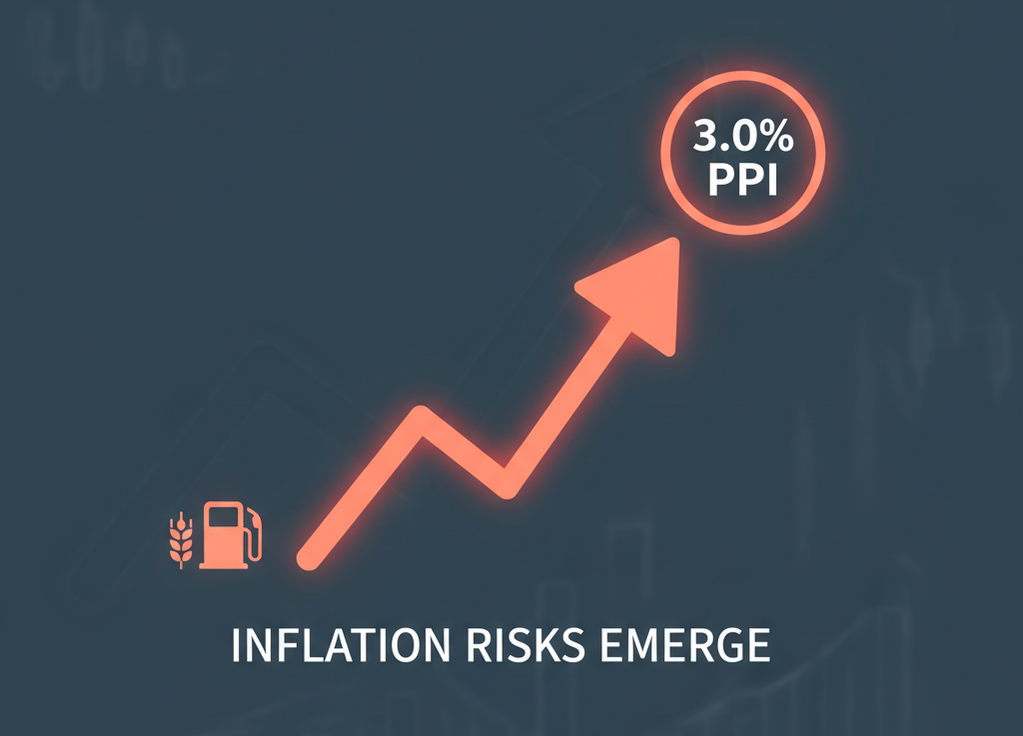
The latest report showing a 3.0% increase in the Producer Price Index (PPI) has sent ripples through economic circles, raising alarms about potential inflationary pressures. This uptick not only reflects changing costs for producers but also signals that consumers may soon feel the pinch at the register. With energy and food prices leading the charge, the economic landscape is shifting, prompting analysts to reassess inflation forecasts.
Key Takeaways
- The Producer Price Index rose by 3.0% in August, marking a notable increase from previous months.
- Energy prices have surged significantly, contributing to the overall rise in producer costs.
- Food costs have also escalated, putting additional pressure on the PPI.
- Economists suggest that sustained increases in the PPI could lead to higher consumer prices in the near future.
- The Federal Reserve is closely monitoring these developments as it considers future interest rate adjustments.
- Supply chain disruptions continue to influence pricing, particularly in the food and energy sectors.
- Businesses may need to adapt pricing strategies to offset rising production costs.
Understanding the PPI's Significance
The Producer Price Index is a critical economic indicator that measures the average changes in selling prices received by domestic producers for their output. A 3.0% increase in the PPI indicates a broader trend of rising production costs that are likely to trickle down to consumers. This is particularly concerning for everyday items like groceries and gas, where price increases are already being felt.
The August report revealed that energy costs were a significant driver of this increase. Prices for oil and gas have been volatile, influenced by geopolitical tensions and supply chain issues. When energy costs rise, they often lead to higher transportation costs, which in turn affect the pricing of a wide array of goods.
The Role of Food Prices
Food prices have also seen a marked increase, compounding the inflationary pressures facing consumers. Factors like adverse weather conditions, supply chain disruptions, and rising transportation costs have all contributed to higher food prices. The agricultural sector is particularly vulnerable; fluctuations in climate can dramatically impact crop yields, leading to increased prices at the supermarket.
As food and energy prices climb, consumers will likely face a double whammy. The PPI increase does not just affect businesses; it signals to consumers that they may soon see higher prices for everyday goods. This is a critical juncture for many households already grappling with the aftermath of previous inflationary trends.
Economic Implications Ahead
The ramifications of a rising PPI extend beyond immediate price increases. Economists warn that prolonged inflation could prompt the Federal Reserve to implement tighter monetary policies. Interest rate hikes might be on the horizon if inflation persists, which could impact everything from mortgage rates to consumer spending.
The Fed's dual mandate of maximizing employment and stabilizing prices makes it crucial to respond appropriately to these inflationary signals. As the economy grapples with these challenges, the central bank's actions will play a pivotal role in shaping future economic conditions.
Supply Chain Disruptions Persist
The ongoing supply chain disruptions have not helped the situation. Industries are still grappling with the aftereffects of the pandemic, and while some sectors have begun to stabilize, others continue to experience significant delays and cost increases. This is particularly evident in both the food and energy sectors, where delays in production and transportation have led to increased costs.
As businesses navigate these challenges, they must consider how to adjust their pricing strategies. Some may choose to absorb costs to remain competitive, while others will likely pass on these increases to consumers. This balancing act will be crucial in the coming months as economic pressures mount.
Conclusion: Facing the Inflation Challenge
The rise of the Producer Price Index to 3.0% is more than just a statistic; it is a wake-up call about the potential resurgence of inflation. With rising energy and food costs at the forefront, consumers should prepare for the possibility of higher prices in the near future. As businesses and policymakers respond to these changes, the economic landscape will continue to evolve, challenging us to adapt and innovate. The question remains: how will households and businesses navigate this inflationary tide? The answer could reshape the economy for years to come.