Mortgage Delinquencies Rising: Key Warning Signs for the Housing Market
Emile Bartow
February 16, 2026
Mortgage Delinquencies Rising: Housing Market Warning Signs
The housing market is sending out distress signals that can no longer be ignored. Recent data reveals a rise in mortgage delinquencies, particularly concerning late-stage delinquencies, which could indicate trouble ahead for homeowners and the broader economy. As we navigate these changes, it’s crucial to understand the implications of rising mortgage delinquencies, especially for those already feeling the financial squeeze.
Key Takeaways
- Mortgage delinquencies have risen sharply, particularly among loans that are 120 days or more overdue.
- The percentage of borrowers missing payments is increasing, suggesting potential long-term financial instability.
- A significant number of homeowners are falling into delinquency categories they previously avoided.
- Economic factors, such as inflation and rising interest rates, are exacerbating the situation for many borrowers.
- Experts warn that rising delinquencies could lead to a slowdown in home sales and a cooling housing market.
- Financial institutions may tighten lending criteria in response to increased delinquencies, making borrowing more difficult.
- Homeowners are advised to monitor their financial situations closely and seek assistance if they face payment challenges.
The Current Landscape of Mortgage Delinquencies
Data from various mortgage performance reports indicate that delinquencies are on the rise, with a notable increase in late-stage delinquencies. These reports highlight that loans reaching 120 days past due are becoming more common, a situation that typically signals an impending wave of foreclosures. The increase in delinquencies is alarming, especially as it reflects a broader trend of financial distress among homeowners.
For homeowners navigating the current economic climate, the combination of rising inflation and interest rates is proving to be a tough obstacle. Many borrowers, who once enjoyed low mortgage rates, are now struggling to make payments as their financial situations tighten. For some, the dream of homeownership is becoming a burden, as the cost of living continues to rise.
Economic Factors at Play
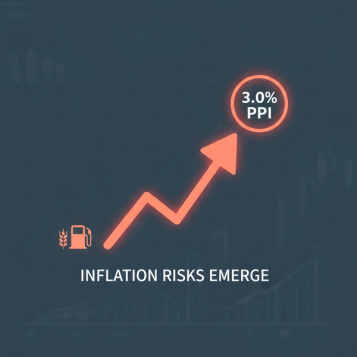
The economic landscape is a significant factor in the current uptick in mortgage delinquencies. Inflation has surged, affecting everything from grocery bills to energy costs. As expenses climb, homeowners are left with less disposable income. Compounded by rising interest rates, many borrowers who previously had manageable payments now find themselves in precarious positions.
A recent report found that a substantial portion of borrowers is now falling into categories of delinquency that were rare just a few years ago. This trend could lead to a domino effect, where increased foreclosures might further depress home values, making recovery even more challenging for those who remain in their homes.
Implications for the Housing Market
As mortgage delinquencies rise, the housing market could face significant challenges. Experts caution that a slowdown in home sales may be on the horizon. With financial institutions potentially tightening lending criteria, buyers may find it more difficult to secure mortgages, further straining the market.
The ripple effect of rising delinquencies may extend beyond individual homeowners. A cooler housing market could impact real estate agents, builders, and even local economies that rely on the real estate sector for growth. As houses sit on the market longer and prices stabilize or decline, communities may feel the economic pinch.
The Path Forward for Homeowners
For homeowners grappling with the fear of delinquency, proactive measures can make a difference. Financial experts recommend closely monitoring personal finances and reaching out for assistance if payment challenges arise. Many organizations offer resources and support for homeowners facing financial hardship, and seeking help early can prevent delinquencies from escalating.
It’s essential for borrowers to understand their options, whether that means restructuring loans, seeking forbearance, or exploring other financial relief programs. Being informed and proactive can empower homeowners to navigate these challenging times effectively.
Conclusion
The rise in mortgage delinquencies is a stark reminder of the financial challenges many homeowners face today. As we watch these trends unfold, it’s essential to remain vigilant and informed. The housing market may be showing early signs of strain, but awareness and action can help mitigate the risks. Homeowners who stay proactive can not only weather the storm but also emerge more resilient on the other side. The key is to engage with available resources, stay informed, and make strategic decisions about financial health.