Preparing for Infrastructure Failures in Power and Water Systems: Key Strategies and Lessons
Sam Bitton
February 6, 2026
Preparing for Infrastructure Failures in Power and Water Systems
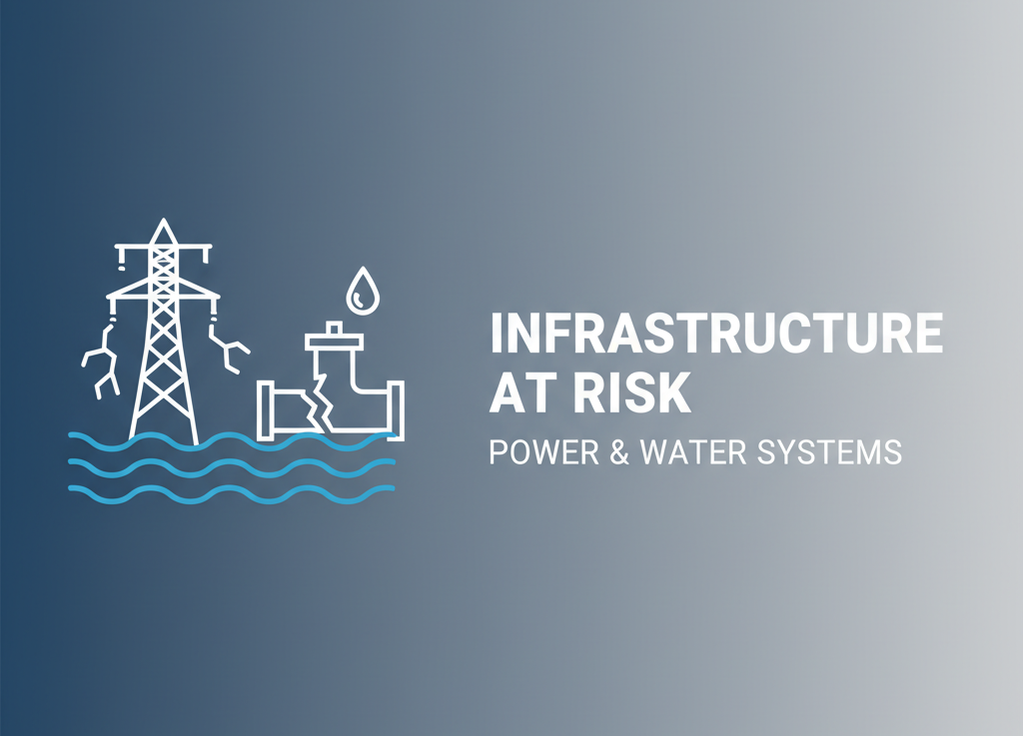
In the world of power and water systems, the threat of infrastructure failures looms large. Natural disasters, aging equipment, and unforeseen events create vulnerabilities that can disrupt essential services. The question is not if these failures will occur, but when. Preparing for such eventualities is not just a matter of operational efficiency; it's a matter of public safety and economic stability.
Key Takeaways
- Water main breaks can disrupt service unexpectedly, as seen in Lower Algiers in June 2015.
- Power surges, like the one experienced at Carrollton power plant in July 2015, can cause widespread outages.
- System hardening measures, like those implemented by El Paso Electric, enhance grid integrity against failures.
- Geographic features and elevation must be considered before developing critical infrastructure.
- Mitigating geohazards can reduce the impact of infrastructure failures significantly.
- Community resilience hinges on proactive planning and investment in infrastructure maintenance.
- Collaboration between utilities and local governments fosters a more robust response to emergencies.
Understanding Infrastructure Vulnerabilities
Infrastructure failures in power and water systems can stem from a myriad of factors. Take the water main break in Lower Algiers on June 1, 2015. This incident didn't just affect local residents; it exposed the fragility of urban water systems. Similarly, the power surge at the Carrollton power plant on July 24, 2015, serves as a stark reminder of how quickly a single event can escalate into a larger crisis.
These failures often result from aging infrastructure, insufficient maintenance, and the increasing unpredictability of climate-related events. The current state of many power and water systems leaves them ill-prepared to handle such challenges.
Lessons from Utility Companies
El Paso Electric stands out as a model for resilience in the face of potential infrastructure failures. The utility has taken significant steps to harden its systems against threats. By investing in technology and upgrading infrastructure, they bolster the integrity of the grid. This proactive approach not only safeguards the power supply but also enhances public confidence in utility services.
Utilities can learn from El Paso Electric’s playbook. Implementing real-time monitoring systems can provide crucial data to identify weaknesses before they lead to failures. Advanced sensor technology can detect anomalies in the grid, allowing for quick intervention.
Geographical Considerations
When developing new infrastructure, geographic features and elevation are critical. The terrain can greatly affect the resilience of power transmission lines and water pipelines. For instance, areas prone to flooding or landslides require specialized design considerations to mitigate risks.
Before embarking on projects like transmission lines or substations, utilities must conduct thorough site assessments. This involves not just evaluating current conditions but also anticipating future challenges posed by climate change. Heightened rainfall, droughts, and temperature extremes are becoming more common, making geographic awareness essential.
Mitigating Geohazards
Geohazards, such as earthquakes and flooding, pose significant risks to infrastructure. A comprehensive mitigation strategy can minimize these impacts. This includes investing in reinforced structures and utilizing advanced engineering methods.
Consider the use of flexible piping in water systems. Such materials can tolerate shifts in the earth during seismic events, reducing the risk of ruptures. Similarly, burying power lines in vulnerable areas can prevent outages caused by high winds or falling debris.
Fostering Community Resilience
Community resilience is the backbone of effective emergency response. Utilities must collaborate with local governments to create comprehensive disaster preparedness plans. This includes community outreach to educate residents about emergency protocols and resources.
Regular drills can prepare both utility staff and residents for potential failures. Engaging the community in these exercises fosters a culture of preparedness and strengthens local networks.
Investing in infrastructure maintenance and upgrades is not just a utility concern; it’s a community priority. Ensuring that systems are robust and reliable can save lives and minimize economic disruptions.
Conclusion
The future of power and water systems depends heavily on how well we prepare for infrastructure failures. With climate change heightening the stakes, there’s no time for complacency. From adopting innovative technologies to fostering community engagement, the path forward is clear. It requires a commitment to resilience, proactive investment, and a willingness to learn from past mistakes. The challenge is daunting, but the payoff—a more secure and reliable infrastructure—is well worth the effort.