Backup Solar Power Solutions for Grid Unreliability: Reliable Energy Storage and Incentives
Sam Bitton
February 6, 2026
Backup Solar Power Solutions for Grid Unreliability
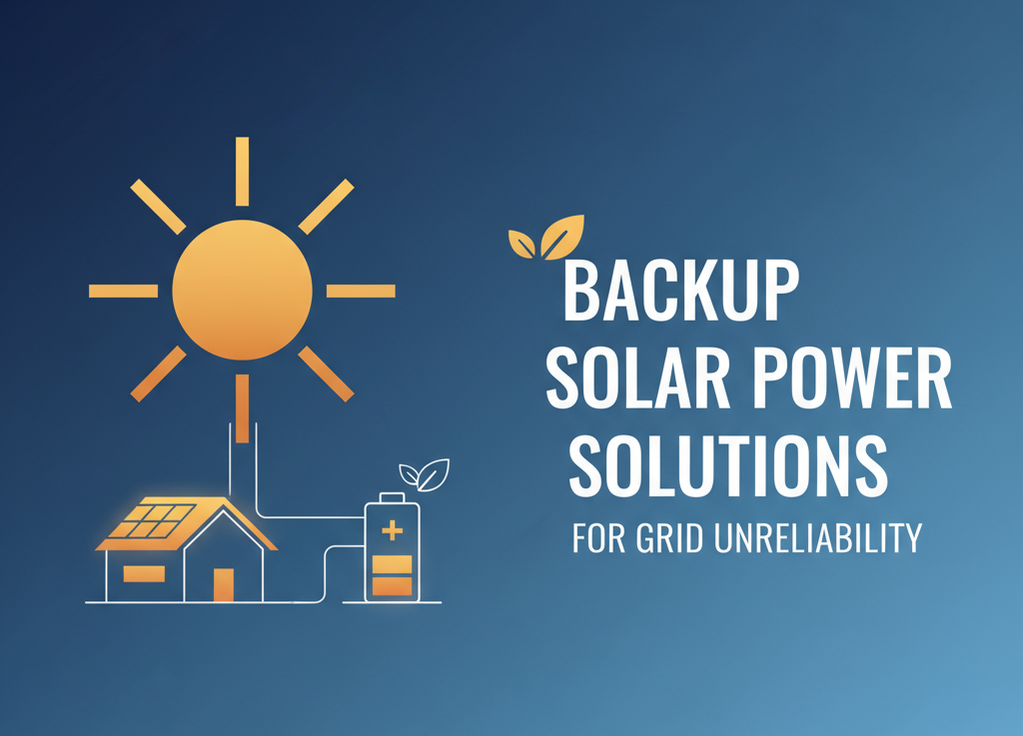
Imagine a summer afternoon where the sun blazes, yet your home is plunged into darkness due to an unreliable power grid. For many, this scenario is all too common. As weather patterns become increasingly unpredictable and grid infrastructure ages, the need for backup power solutions is more pressing than ever. Backup solar power systems offer a viable solution, combining renewable energy with reliability.
Key Takeaways
- Backup solar systems integrate storage solutions to ensure power availability during grid outages or low solar generation periods.
- Battery technology has advanced, allowing for longer storage times and increased efficiency, making solar feasible even when the sun isn't shining.
- Hybrid systems combining solar with generators provide a robust power solution, especially in areas prone to prolonged cloudy weather.
- Net metering policies enable users to sell excess energy back to the grid, providing financial incentives for investing in solar power systems.
- Professional consultations can optimize solar setups, ensuring that installations meet specific energy needs and maximize efficiency.
- Government incentives and tax credits can significantly reduce the initial investment costs for solar power solutions, making them more accessible.
- Regular maintenance of solar systems is essential to ensure longevity and optimal performance, especially in harsh weather conditions.
The Reliability of Backup Solar Solutions
The appeal of solar power lies in its sustainability and decreasing costs. However, its effectiveness is often hindered by grid unreliability, especially in rural or underserved areas. Backup solar power systems address this challenge by incorporating energy storage solutions like batteries. These systems store excess energy generated on sunny days, providing a reserve during outages or overcast periods.
For instance, the Tesla Powerwall can store up to 13.5 kWh of electricity, enough to power essential home appliances for a day. This innovation highlights the leap in battery technology, making solar energy accessible even when the sun is not shining.
Hybrid Solutions: The Best of Both Worlds
While solar technology has made significant strides, it's essential to acknowledge that factors like extended cloudy weather can limit solar generation. Hybrid systems combine solar panels with backup generators, offering a safety net for those particularly troublesome days. These systems automatically kick in when solar generation dips below a set threshold, ensuring uninterrupted power supply.
For example, a homeowner with a hybrid system might opt for a natural gas generator as a backup. This setup provides peace of mind knowing that even during adverse weather, electricity remains available. Such systems can often be configured to run on biodiesel or other renewable fuels, further enhancing their sustainability.
Financial Considerations for Solar Power
Investing in solar power solutions can be daunting due to the initial costs. However, various governmental incentives, such as tax credits and rebates, can significantly ease this burden. The Federal Investment Tax Credit (ITC) allows homeowners to deduct a substantial percentage from their tax liabilities when they install solar systems.
Net metering policies further sweeten the deal. They allow solar users to sell excess energy back to the grid, providing a source of income and lowering overall energy costs. This financial incentive can make solar systems not just environmentally friendly but also economically viable.
The Importance of Professional Consultation
Navigating the solar power landscape can be overwhelming. A professional consultation can help homeowners identify their specific energy needs and design the most effective system. Solar experts can assess factors like roof orientation, local climate, and energy consumption patterns to recommend tailored solutions.
It's not merely about installing panels; it's about creating a robust system that maximizes efficiency and reliability. Professionals also keep homeowners informed about the latest technologies and incentives, ensuring that investments yield the best return.
Maintenance: The Key to Longevity
Like any technology, solar systems require regular maintenance to ensure optimal performance. This is particularly crucial in areas that experience harsh weather conditions, where debris or snow can accumulate on panels, reducing energy output.
Routine inspections, cleaning, and component checks can prolong the life of solar systems and maintain their efficiency. Homeowners should consider setting up a maintenance schedule to catch potential issues before they escalate, guaranteeing that their backup systems are always ready when needed.
Conclusion
As the landscape of energy generation evolves, backup solar power solutions stand out as a practical answer to grid unreliability. They not only offer resilience against power outages but also promote a sustainable energy future. For those considering such systems, the journey begins with knowledge and careful planning. Embrace the opportunity to transform your energy consumption and become part of the sustainable revolution. The sun shines for everyone; it’s time to harness its power fully.