How to Write an Email That Actually Gets a Reply
Lilla Odin
April 28, 2026
Write a Subject Line That Actually Says Something
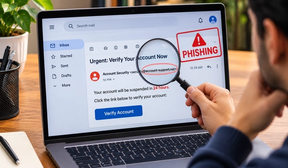
Your subject line has one job: give the recipient a reason to open the email. Vague subjects like “Quick Question,” “Following Up,” or “Hello” force people to figure out what you want before they’ve even opened the message. Instead, make the subject specific enough that the purpose is immediately clear. “Feedback needed on proposal by Thursday” is far more useful than “Checking in.” You don’t need to make it clever or dramatic. In most professional situations, clarity wins. The recipient should be able to glance at their inbox and understand what the email concerns, whether they need to do something, and roughly how urgent it is.
Get to the Point Quickly
Long introductions are one of the easiest ways to lose someone’s attention. You can still be warm and polite, but don’t spend three paragraphs working your way toward the actual reason you’re writing. Give any necessary context, then state what you need. If you’re contacting someone who doesn’t know you, briefly explain who you are and why you’re reaching out. If they already know the situation, don’t repeat everything they already know. A useful test is to read the first few sentences and ask whether the recipient would understand why you emailed them. If the answer is no, move the important information higher.
Make It Easy to Respond
Emails often go unanswered because replying requires too much work. “Let me know your thoughts” sounds simple, but it can leave the recipient wondering exactly what kind of feedback you need. Ask a specific question instead. Do you need approval? A document? A meeting time? A yes-or-no decision? If you’re scheduling something, suggest two or three options instead of starting an endless exchange about availability. If you need feedback, identify the exact section or decision that needs attention. The less mental effort someone needs to spend figuring out how to answer, the more likely they are to respond.
Keep It Short and End With a Clear Next Step
Before sending an email, remove anything the recipient doesn’t actually need. Break up dense paragraphs, avoid repeating the same point, and keep attachments and links clearly labeled. Then finish with a specific next step, such as “Could you confirm by Wednesday?” or “Would Tuesday or Thursday afternoon work?” If the email is important and you don’t hear back, a polite follow-up after a reasonable amount of time is completely normal. People are busy, inboxes are messy, and silence doesn’t always mean rejection. The emails most likely to receive replies aren’t necessarily the most beautifully written—they’re the ones that make it immediately obvious why you’re writing, what you need, and what the recipient should do next.