How to Travel Smarter on Any Budget
Lilla Odin
February 6, 2026
Spend Money Where It Changes the Trip
Traveling smarter doesn’t necessarily mean traveling as cheaply as possible. The better approach is to decide which expenses genuinely improve your experience and save money on the ones you barely care about. If you love food, stay somewhere simple and spend more on restaurants. If sleep matters enormously to you, paying extra for a comfortable hotel may be worth more than upgrading your flight. Think about location too. A cheaper hotel far outside the center can become expensive once you add daily transportation and the time spent commuting. A good travel budget isn’t about choosing the lowest price every time; it’s about putting your money toward the parts of the trip you’ll actually remember.
Be Flexible With the Expensive Parts
Flights and accommodation can consume a huge portion of a travel budget, so flexibility here can make a bigger difference than skipping a few coffees. Compare nearby travel dates, airports, neighborhoods, and different lengths of stay before booking. A flight one day earlier or a hotel a few streets away can sometimes change the total considerably. But don’t chase a bargain without checking what you’re actually getting. A cheap flight with inconvenient connections, expensive baggage fees, and a 5 a.m. departure may not feel like much of a deal. Compare the total cost and inconvenience rather than automatically clicking the lowest number on the screen.
Pack for the Trip You’re Actually Taking
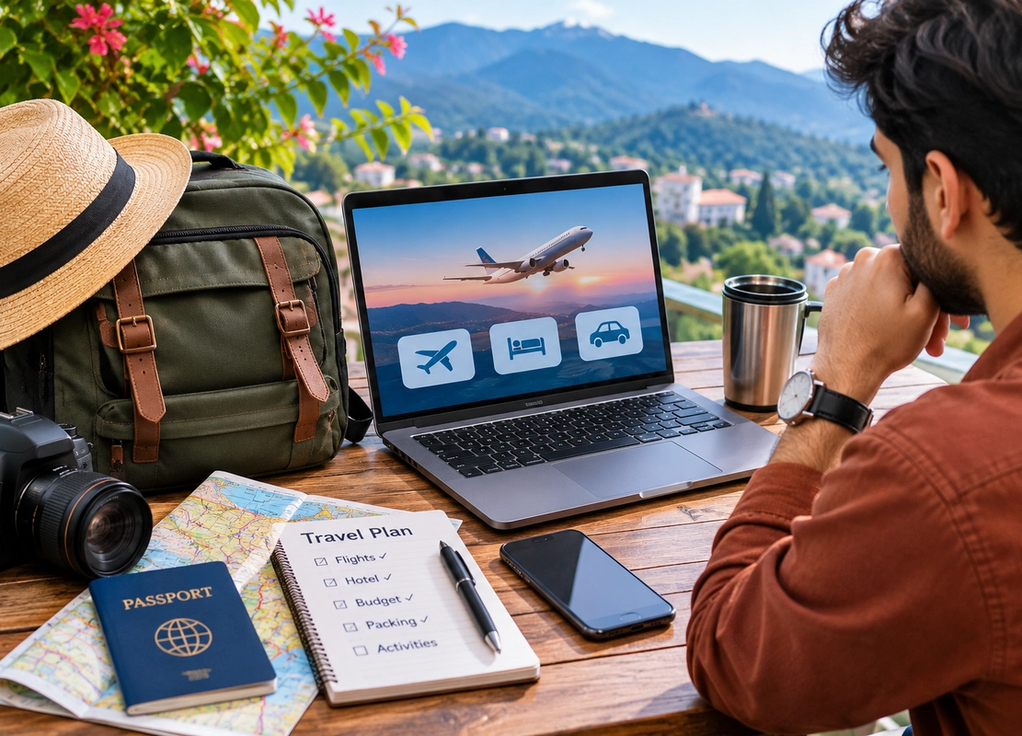
Overpacking creates more problems than it solves. Check the weather, look at your itinerary, and pack clothes that can work together instead of preparing for every imaginary situation. If you’re flying, understanding your airline’s current baggage allowance before arriving at the airport can also prevent unpleasant fees. Keep medications, identification, chargers, valuables, and other essentials somewhere accessible, and download important reservations or directions in case your internet connection disappears. A little preparation can prevent the kind of last-minute purchases that make travel unnecessarily expensive—like buying another charger at the airport because yours is sitting peacefully on the kitchen counter.
Leave Room for the Unexpected
The best-planned trips still go wrong occasionally. Trains get delayed, restaurants are unexpectedly closed, weather changes, and places that looked incredible online sometimes aren’t worth another hour of your day. Don’t schedule every minute or spend your entire budget before you arrive. Leave some free time and a little extra money for things you discover along the way. You may find a neighborhood you want to explore, hear about a restaurant from a local, or simply decide that you’d rather spend the afternoon sitting somewhere beautiful than visiting another attraction. Traveling smarter isn’t about controlling every detail. It’s about planning enough to avoid unnecessary stress while leaving enough flexibility for the trip to surprise you.