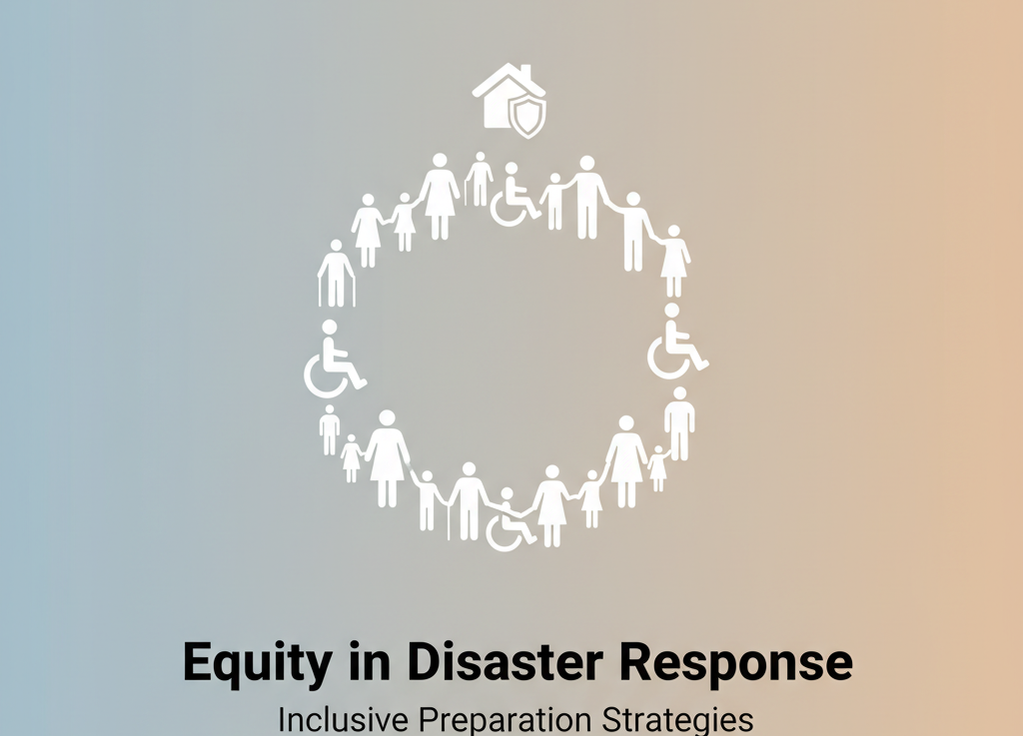
Equity in Disaster Response: Inclusive Preparation Strategies for All Communities
Sam Bitton
February 6, 2026
Equity in Disaster Response: Inclusive Preparation Strategies
When disaster strikes, communities often face chaos and confusion. Yet, amid the turmoil, some groups seem to fare worse than others. Historically marginalized populations, including individuals with disabilities, the elderly, and low-income families, experience a disproportionate impact during emergencies. Therefore, equitable disaster preparation is not merely an ideal; it's a necessity. By implementing inclusive preparation strategies, communities can ensure that all members are equipped to respond effectively to disasters.
Key Takeaways
- Equitable disaster preparation aims to ensure that all community members can access resources and support during emergencies.
- People with disabilities face unique challenges during disasters, including mobility limitations and communication barriers.
- Inclusive disaster response plans incorporate feedback from diverse community members, enhancing their effectiveness.
- Training first responders in cultural competency helps them better assist various populations during emergencies.
- Local governments can utilize action research to evaluate and improve equity standards in disaster response.
- Investing in community awareness campaigns fosters resilience by educating vulnerable populations about disaster preparedness.
- Collaboration with non-profit organizations can help bridge gaps in resources and knowledge for underserved communities.
Understanding Equity in Disaster Preparedness
Equity in disaster response means recognizing that not everyone starts from the same place. Vulnerable groups often lack access to critical resources, information, and support systems. For instance, individuals with disabilities may struggle with mobility, making it hard to evacuate swiftly. The Centers for Disease Control and Prevention highlights that nearly 1 in 4 adults in the U.S. has some type of disability, underscoring the need for tailored emergency strategies.
Equity standards must be woven into the fabric of disaster response systems. This involves assessing current frameworks and integrating feedback from affected communities. By doing so, planners can identify gaps and create targeted interventions. For example, a community might establish a dedicated hotline for individuals with disabilities to ensure they receive timely information and assistance during emergencies.
Building Inclusive Strategies
Developing inclusive disaster preparation strategies involves proactive engagement with diverse populations. Action research methodologies provide a framework for understanding the unique needs of marginalized groups. By collaborating with community members, emergency planners can gather insights that lead to more effective response plans.
Consider the case of a local community that organized focus groups with disabled residents to understand their specific challenges during disasters. Feedback revealed that many relied on assistive devices that required power sources, highlighting the importance of backup generators in shelters. Implementing this feedback not only improved the safety of vulnerable populations but also fostered a sense of ownership among community members.
Training and Cultural Competency
Equitable disaster response requires training first responders in cultural competency. Emergency personnel must understand the diverse backgrounds of the populations they serve. This means not only recognizing language differences but also being aware of cultural practices and sensitivities. For instance, some cultures may have specific rituals around illness and death that could influence how families respond during crises.
Investing in training programs can significantly enhance the effectiveness of disaster response teams. When first responders are equipped to communicate effectively with various populations, they can provide more comprehensive support. This approach ensures that no one feels sidelined during an emergency, allowing for a more cohesive community response.
Fostering Community Resilience
Community awareness campaigns play a vital role in fostering resilience among vulnerable populations. These initiatives can educate community members about disaster preparedness, ensuring they know how to respond when calamity strikes. Workshops, informational flyers, and social media campaigns can disseminate crucial information, tailored to the specific needs of different groups.
Moreover, partnerships with non-profit organizations can amplify these efforts. Non-profits often have established relationships with underserved communities, making them ideal allies in promoting awareness and preparedness. For instance, a local food bank may collaborate with emergency management agencies to distribute disaster kits to low-income families, ensuring they have basic supplies ready in case of an emergency.
The Path Forward
As communities strategize for future emergencies, the focus must shift toward equity. This involves not only addressing the immediate needs of all residents but also fostering long-term resilience through inclusive practices. By prioritizing the voices of marginalized groups and integrating their insights into disaster planning, communities can better prepare for the unexpected.
Equity in disaster response is more than a buzzword; it’s a compass guiding us toward a more just and prepared society. As we look ahead, let’s challenge ourselves to implement inclusive preparation strategies that leave no one behind. After all, the strength of a community is measured not just by its response, but by how it uplifts all its members in times of crisis.