Building a 72-Hour Emergency Kit for National Preparedness: Essential Checklist and Tips
Mark
February 6, 2026
Building a 72-Hour Emergency Kit for National Preparedness
When disaster strikes, whether it's a hurricane, earthquake, or an unexpected power outage, having a 72-hour emergency kit can mean the difference between chaos and calm. The idea is simple: prepare to be self-sufficient for at least three days when help may not be available.
Key Takeaways
- Understand the essentials: An emergency kit should include food, water, medical supplies, and personal items tailored to your needs.
- Water is vital: Store at least one gallon of water per person per day for three days.
- Non-perishable food is key: Choose items that have a long shelf life and require minimal preparation, like canned goods and energy bars.
- Include personal documents: Keep copies of important documents such as ID, insurance, and medical information in a waterproof container.
- Pack a first-aid kit: Include basic medical supplies to treat injuries and common ailments.
- Consider special needs: Customize your kit based on the needs of children, pets, and elderly family members.
- Regularly update your kit: Check your supplies every six months to replace expired items and adjust for changing needs.
The Importance of Being Prepared
Disasters don’t come with a warning, and the aftermath can be disorienting. The Federal Emergency Management Agency (FEMA) recommends that every household has a 72-hour emergency kit ready to go. This preparation allows individuals to take immediate action without scrambling for essentials when panic sets in.
What to Include in Your Kit
Water and Food
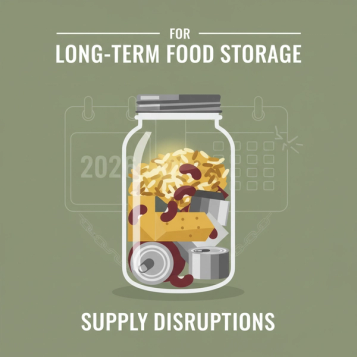
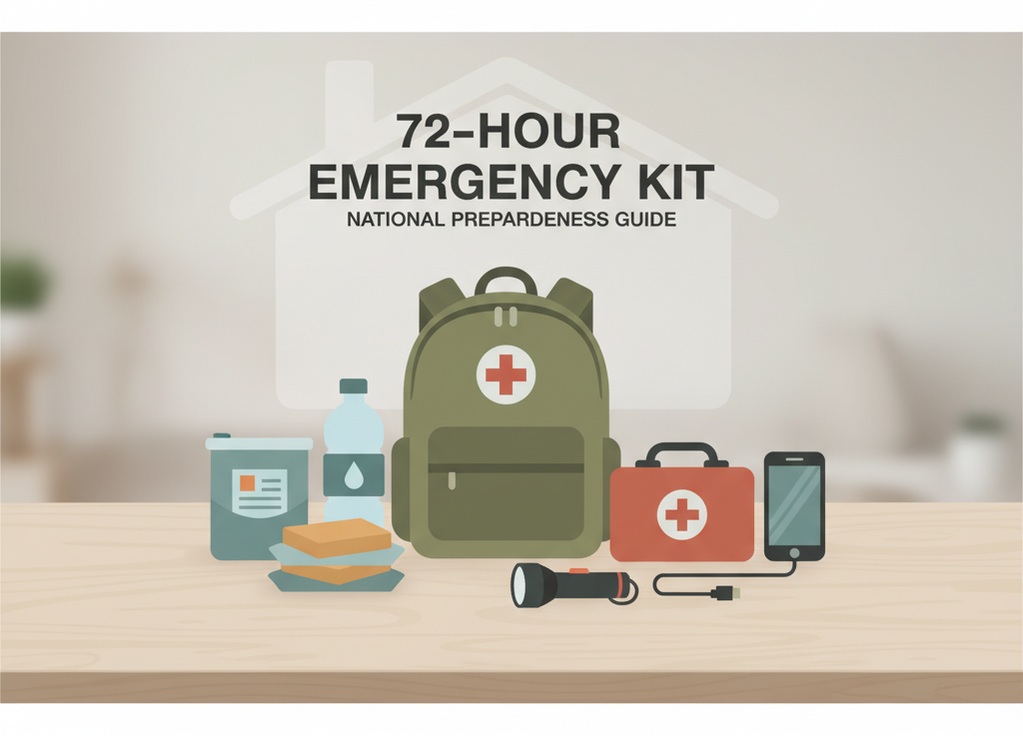
Water is non-negotiable. FEMA advises at least one gallon per person per day. So, for a family of four, that’s 12 gallons for three days. Storing water in sturdy, food-grade containers is crucial. For food, focus on non-perishable items. Canned goods, dehydrated meals, and protein bars can provide essential calories and nutrients without needing refrigeration. Your food should be easy to prepare or ready to eat.
First-Aid Supplies
Injuries can happen during a disaster, so a well-stocked first-aid kit is essential. Include band-aids, antiseptic wipes, gauze, and over-the-counter medications. Tailor your kit to your family’s needs; for instance, if someone has allergies, include antihistamines. You can purchase pre-made kits or assemble your own, just ensure it’s comprehensive enough to handle minor medical emergencies.
Personal Items and Documents
Consider the unique needs of your family when assembling your kit. This includes medications, eyeglasses, or baby supplies. Don’t forget important documents—copies of IDs, health insurance cards, and medical records. Store them in a waterproof container to protect them from damage.
Tools and Supplies
A multi-tool can serve various purposes, from preparing food to making repairs. Add a flashlight with extra batteries, a portable phone charger, and duct tape. A whistle can help signal for help if needed. Also, include hygiene supplies like hand sanitizer, wipes, and toilet paper.
Customization for Special Needs
Every family is different. If you have pets, include pet food, water, and any medications they might need. For families with infants, pack formula, diapers, and wipes. If you have elderly family members, ensure their specific medical needs are met.
Regular Maintenance of Your Kit
As the seasons change, so do our needs. It’s crucial to check your emergency kit at least twice a year. Replace expired food and medications, and adjust based on any changes in your family structure or needs. Consider taking your kit out during a drill or community preparedness event to familiarize everyone with its contents.
Conclusion
Building a 72-hour emergency kit is more than just a checklist; it’s a commitment to safety and preparedness. Start small, and gradually build your kit until you feel confident it meets your family’s needs. In a world filled with uncertainty, being prepared can provide peace of mind. Take action today and ensure your family is ready for whatever comes next.