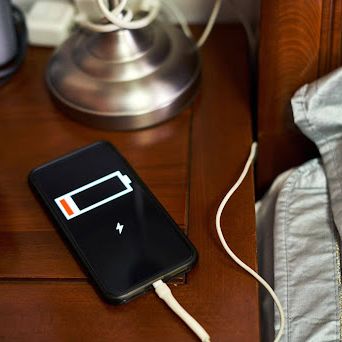
Top 5 Reasons People Feel Exhausted
Lilla Odin
April 28, 2026
Feeling exhausted has become common in modern life. Many people assume fatigue is simply the result of working too many hours. In reality, exhaustion is usually multi-factorial. It is influenced by sleep quality, stress load, energy management, and daily habits.
Energy is not only physical. It is cognitive and emotional. When any of these dimensions is overloaded, fatigue appears.
Below are five common reasons people feel exhausted, even when they believe they are doing everything right.
Poor sleep quality, not just short sleep duration
Many people focus on how long they sleep but ignore how well they sleep.
Sleep quality is affected by:
- Late screen exposure
- Irregular sleep schedules
- Alcohol consumption
- Stress levels
- Room temperature and light
Even seven hours in bed can feel unrefreshing if sleep cycles are interrupted. Deep sleep and REM sleep are essential for physical recovery and cognitive restoration.
Irregular sleep timing disrupts circadian rhythm. Going to bed at midnight one day and 2:30 am the next confuses biological signals, reducing recovery efficiency.
Improving sleep consistency often increases daytime energy more than simply extending time in bed.
Chronic stress and cognitive overload
Stress consumes energy continuously. Even when the body is physically still, the brain may be processing unresolved problems.
Common stress drivers include:
- Work pressure
- Financial uncertainty
- Relationship tension
- Constant notifications
When stress becomes chronic, cortisol levels remain elevated. This can disrupt sleep, increase irritability, and reduce focus.
Cognitive overload also contributes to exhaustion. Constant task switching forces the brain to reset repeatedly, increasing mental fatigue.
A useful concept is decision fatigue. Every small choice consumes mental bandwidth. The more fragmented the day, the more drained people feel by evening.
Reducing unnecessary decisions and protecting focused time often restores mental clarity.
Sedentary lifestyle and low physical activity
It may seem counterintuitive, but low activity levels increase fatigue.
Regular movement improves:
- Circulation
- Oxygen delivery
- Mood regulation
- Metabolic efficiency
When people sit for most of the day, energy regulation declines. Muscles weaken, posture worsens, and circulation slows.
Even 20 to 30 minutes of moderate activity per day can improve overall energy levels. Walking, light strength training, or stretching breaks reduce stiffness and increase alertness.
Energy follows usage. When the body moves regularly, it adapts by becoming more efficient.
Poor nutrition and blood sugar fluctuations
Food directly influences energy stability.
Highly processed foods and excessive sugar cause rapid blood glucose spikes followed by crashes. These fluctuations often create mid-day fatigue.
Common contributors include:
- Skipping breakfast
- Relying heavily on caffeine
- High sugar snacks
- Irregular meal timing
Caffeine temporarily masks fatigue but does not fix underlying energy instability. Excessive caffeine later in the day can also impair sleep quality, creating a negative cycle.
Balanced meals containing protein, fiber, and healthy fats help stabilize blood sugar and maintain steady energy.
Hydration also matters. Even mild dehydration can reduce cognitive performance and increase perceived tiredness.
Emotional drain and lack of recovery time
Not all exhaustion is physical. Emotional fatigue is equally powerful.
Constant exposure to conflict, negativity, or high responsibility without adequate recovery can drain motivation.
Signs of emotional exhaustion include:
- Irritability
- Reduced enthusiasm
- Difficulty concentrating
- Feeling detached
Recovery requires deliberate downtime. Passive scrolling often does not provide true restoration.
Effective recovery activities may include:
- Spending time outdoors
- Social connection
- Reading
- Mindful reflection
- Engaging hobbies
Recovery is not laziness. It is a necessary component of sustainable performance.
Addressing exhaustion strategically
Exhaustion rarely has a single cause. It is usually the accumulation of multiple small stressors.
A practical way to assess fatigue is to review five variables:
- Sleep consistency
- Stress level
- Movement frequency
- Nutrition quality
- Emotional recovery
If two or three of these areas are misaligned, fatigue is predictable.
Improvement does not require extreme changes. Small adjustments such as consistent sleep timing, daily walking, reduced evening screen time, and balanced meals can significantly increase baseline energy.
Energy is a resource. When managed deliberately, it supports productivity, clarity, and overall wellbeing.
Exhaustion is often a signal, not a failure. Listening to that signal and adjusting daily habits can restore vitality and improve long term resilience.